

A Deeper Appreciation for Context: Gina Chorover, Lecturer in Planning and Landscape Architecture
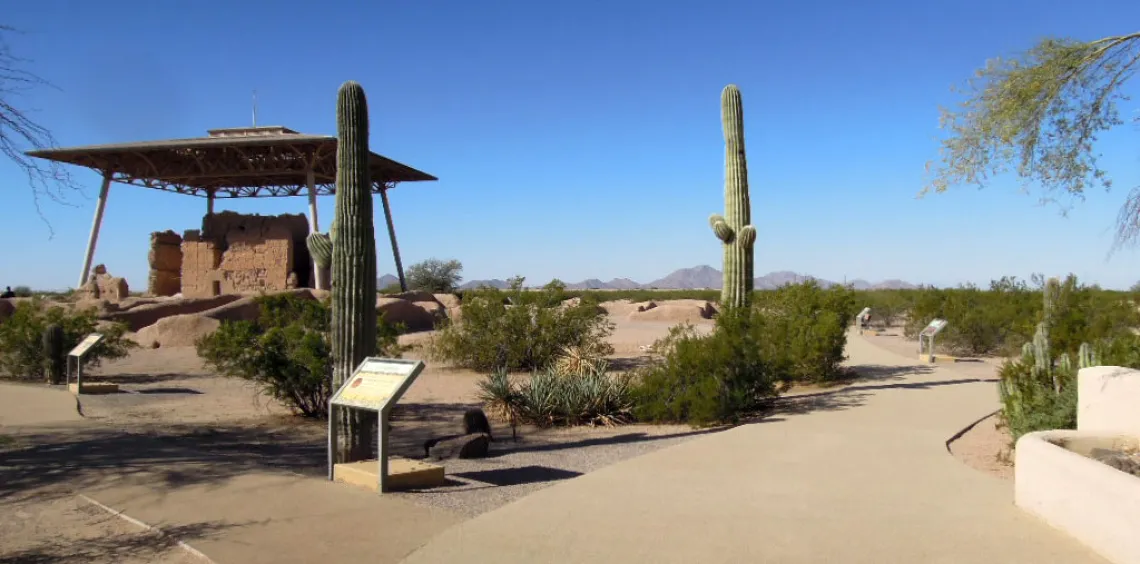
Casa Grande Ruins National Monument. Photo by Gina Chorover.
Seven Questions with Gina Chorover '05 MLA
“What I love most is bringing the history of a place to the surface for people to see. When people understand the larger context of a building, site or city, they have a deeper appreciation for it.”
What brought you to the College of Architecture, Planning and Landscape Architecture, and what year did you join the college?
I joined CAPLA in 2014. I had been teaching as an adjunct lecturer in planning and landscape architecture and had the opportunity to leave my position as an urban planner to teach full-time and coordinate several programs—initially the Master of Real Estate Development, and then the Heritage Conservation Certificate Program.
What is your current research, and what most excites you about these areas of focus?
I enjoy working on National Park Service projects to inventory and document historic and cultural landscapes in Arizona and the West. I am finishing up a project at Casa Grande Ruins National Monument in which I conducted a historic landscape assessment of the historic district, prepared a nomination to the National Register of Historic Places and submitted a cultural landscape inventory for submission to the State Historic Preservation Office. Last year, I completed an historic landscape analysis for San Xavier del Bac. I will soon start on a project to document a traditional cultural property at Organ Pipe National Monument. What I love most about these projects is bringing the history of a place to the surface for people to see. When people understand the larger context of a building, site or city, they have a deeper appreciation for it.
What is your current service work, and what most excites you about this work?
As the program chair for the Heritage Conservation program, I spend time talking with students about the program, advising on curricula and organizing faculty meetings. For the past three years, I have coordinated the School of Landscape Architecture and Planning’s lecture series, which has been rewarding. I also assist the director with general student recruitment and program accreditation reports. I most enjoy moving projects and initiatives forward and seeing the fruits of that work.
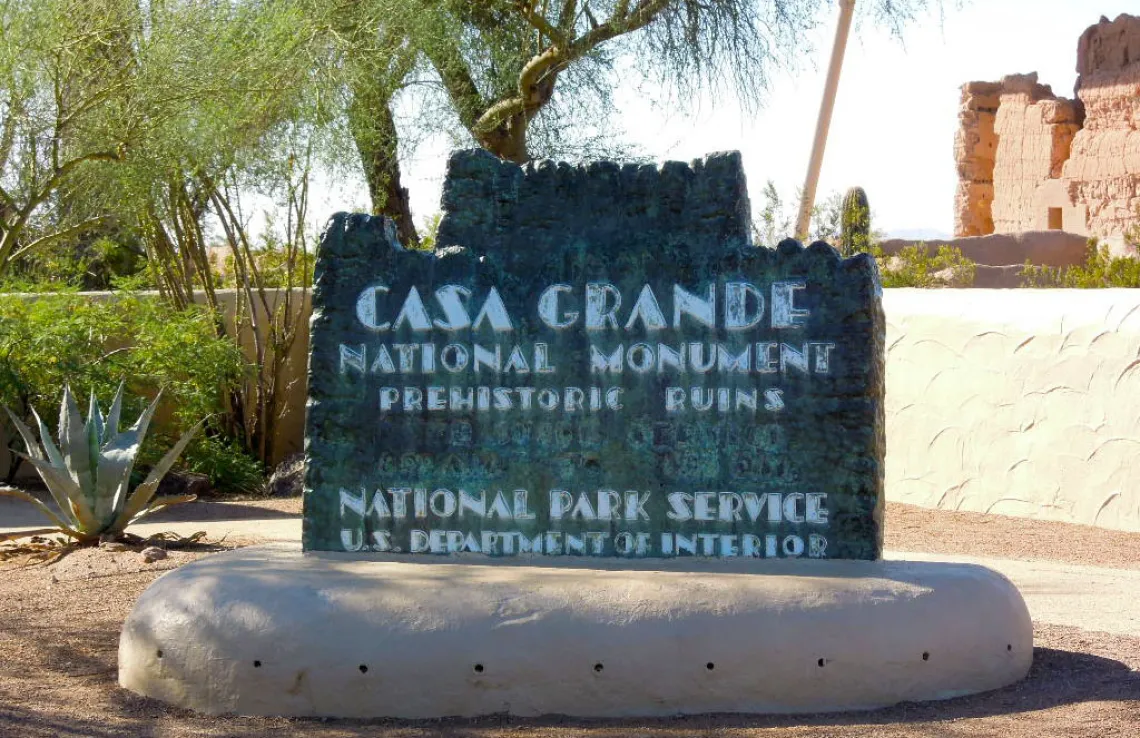
Photo by Gina Chorover.
What are you currently teaching, and what do you most enjoy about teaching?
My teaching responsibilities have changed from year to year. Next year, I am teaching a course I developed called Parks and Urban Public Spaces (LAR 350), Cities of the World (PLG 202), Documentation of the Historic Built Environment (LAR 597J) and Comprehensive Planning (PLG 512).
How do you bring your research and other work into your teaching?
As a professional planner (AICP certified), I bring my experience in real-world planning environments into all of my courses. For example, I was one of the authors of the City of Tucson’s general plan and also wrote one of the neighborhood plans. I’ll be teaching Comprehensive Planning in the spring in which we will learn about both types of plans and likely work on a real project with the city. When I was with Pima County, I was a park and trail planner, responsible for analyzing green space, designing parks and determining potential trail alignments. I bring all that experience into my Parks and Urban Public Spaces course.
Beyond research, service and teaching, what are your passions?
I love international travel and exploring historic cities and cultural landscapes. I also love the outdoors—camping, hiking, skiing, biking and sightseeing. My homebound activities revolve around gardening, playing with my dogs, reading, watching movies and hanging with my husband.
What does the CAPLA experience mean for you?
As a CAPLA Master of Landscape Architecture graduate, I have a longstanding bond with the college. The people here are among the most committed and hard-working people I’ve met. They go above and beyond to provide an excellent student experience despite the challenges of limited resources.
To learn more, view Gina Chorover's faculty page.


