

Report by Planning Professor Gary Pivo Informs Regional and National Articles on Tucson Gentrification
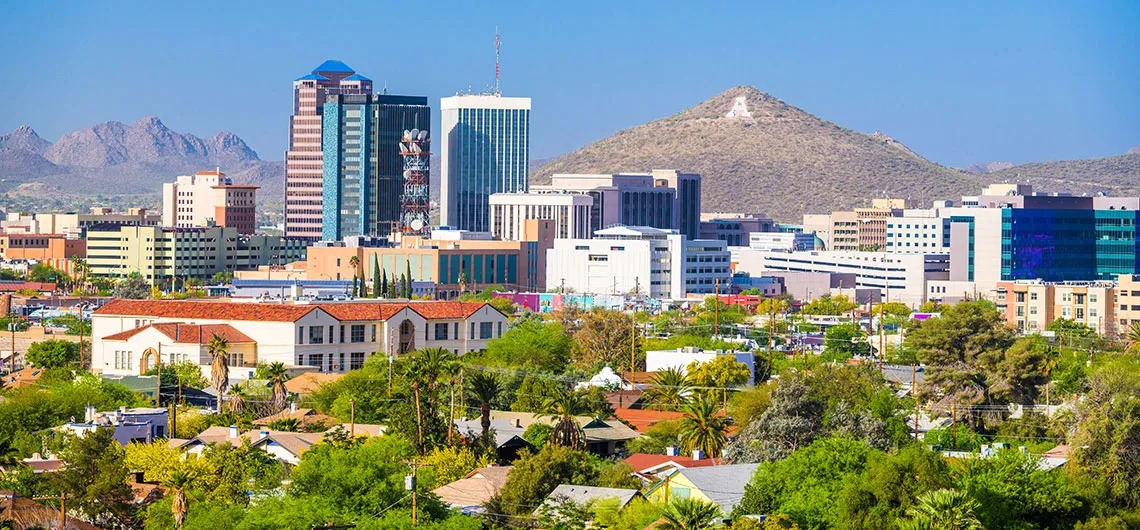
Photo by Sean Pavone, courtesy Shutterstock.
In 2021, Gary Pivo, professor of real estate development and urban planning at the University of Arizona’s College of Architecture, Planning and Landscape Architecture, authored a report on Tucson’s Government Property Leas Excise Tax (GPLET), an economic development initiative that provides subsidized property taxes for up to eight years for projects in Tucson’s Central Business District.
According to the city’s Office of Economic Initiatives, the GPLET has “been used to bring new life to outdated, poorly maintained properties that were hotspots for crime, and now contribute to the economic growth of Tucson.”
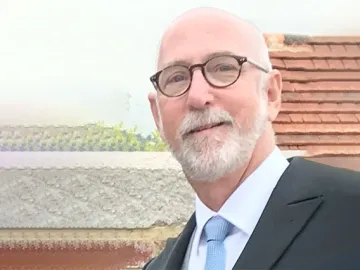
Gary Pivo, Professor of Real Estate Development and Urban Planning
However, an article published July 3, 2022, in the Phoenix Business Journal and then summarized on July 6 in Planetizen questions whether the tax subsidy is leading to increased gentrification.
“The median rent in Tucson in June was $1,795, up 30% from June 2021, according to Zillow data as of publication,” says the Phoenix Business Journal article authored by Brenda Muñoz Murguia. “And with rents rising, gentrification is pushing people out of neighborhoods that were once affordable.”
Older neighborhoods that are traditionally lower income and predominantly Hispanic have been particularly hit hard as they “transition to market-rate housing, pressured by new developments in nearby areas,” writes Murguia. “Residents of Armory Park, Menlo Park, and the city of South Tucson and other communities are struggling to continue to live in neighborhoods where their families had settled decades ago.”
But Pivo’s study “found that GPLET projects were not the cause of gentrification, mainly because they constitute a small part of downtown development. However, it is also said the GPLET program could do more to help people and businesses being replaced.”
Pivo’s report, notes Murguia, says that GPLET “should look for opportunities to create affordable housing for people who earn less than $35,000 per year. For example, larger housing projects could provide some number of affordable units, and work with local affordable housing developers.”
Read the full article in the Phoenix Business Journal: “Rent hikes, downtown boom spur gentrification of older Tucson neighborhoods.” Or read Pivo’s report, “Equity and Sustainability Assessment of Tucson’s Government Property Lease Excise Tax (GPLET) Program.”
Pivo, who joined CAPLA in 1998, is a widely cited expert on responsible property investing, urban form and sustainability. He teaches courses on the land development process and sustainable cities, and his research has had far-reaching impact on the fields of urban studies, transportation, environmental studies, planning, public health, engineering, geography and economics. He was co-founder and advisor to the United Nations Environment Programme Finance Initiative Property Working Group and the Responsible Property Investing Center, now a part of the Urban Land Institute. He holds a PhD in City and Regional Planning from the University of California, Berkeley, Master’s in Regional Planning from Cornell University and BA in Social Ecology from the University of California, Irvine.


