
Lecture Recap and Video: Fletcher McCusker on 'Rio Nuevo: Catalyst for Tucson's Urban Core'
March 27, 2023
Image
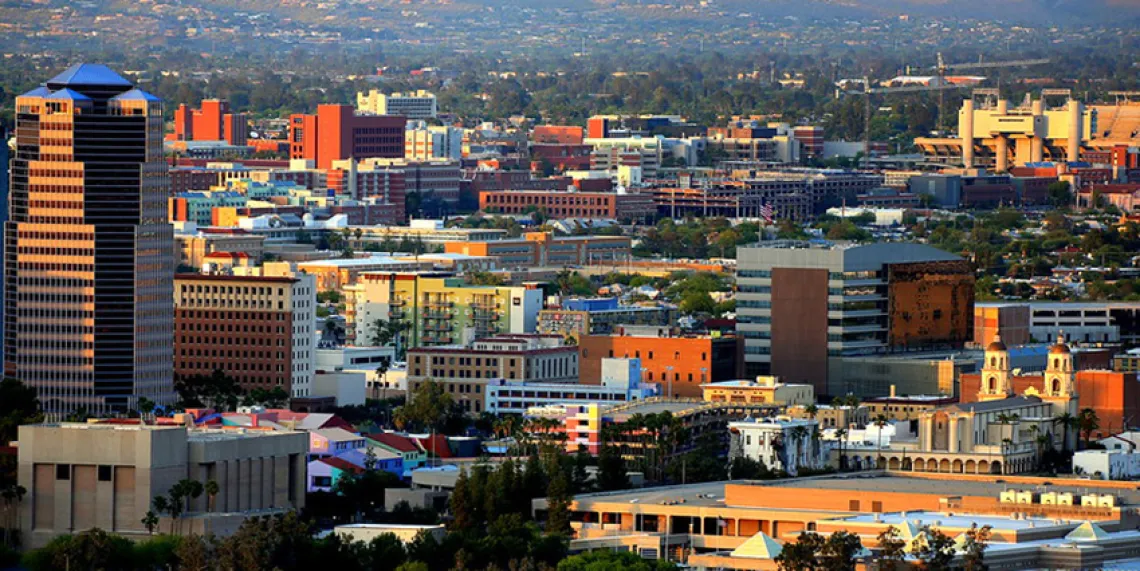
Downtown Tucson and University of Arizona campus

Tax increment financing (TIF) is a value-capture revenue tool that uses taxes on future gains in real estate values to pay for new infrastructure improvements. Fletcher McCusker speaks about the history and impact of TIF districts, and how this tool was used to spur economic growth in Tucson's urban core.


Watch the Lecture


About Fletcher McCusker
Image
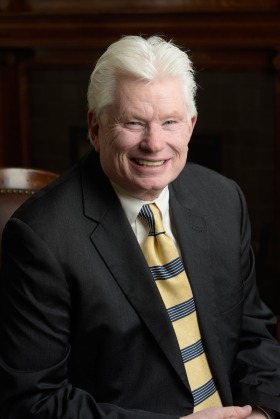
Fletcher McCusker

Fletcher McCusker

Fletcher McCusker, the CEO and founder of UAVenture Capital in Tucson, has an impressive track record of successful business ventures. He launched Providence Service Corporation, the first home-based behavioral health provider in the country, and transformed it into a billion-dollar business. Later, Fletcher turned his attention to revitalizing the then-stagnant Tucson downtown by acquiring a city block and moving Providence to this location. Fletcher and three partners founded Second Saturdays in 2010, and he was appointed to the board of Rio Nuevo, the downtown revitalization organization. As chairman, Fletcher oversaw more than 20 projects that brought new hotels, restaurants, clubs, concert venues, housing and corporate headquarters to downtown Tucson.

Following his retirement from Providence, Fletcher and partners established SinfoniaRX, a new partnership with the UArizona that aimed to spur the commercialization of faculty inventions. SinfoniaRX, along with the company that later acquired it, Tabula, are both based in downtown Tucson. Recently, UArizona President Robbins asked Fletcher and his partner to establish UAVenture Capital to commercialize UA technology.

Fletcher is a third-generation Tucsonan, University of Arizona alumnus and UArizona alumnus of the year, and he holds an honorary doctorate from UArizona.


Header photo by Bill Morrow, courtesy Flickr (CC BY 2.0).


Subscribe to The Studio

Sign up for CAPLA's monthly e-newsletter to get the latest news and events, insights from faculty and leadership, profiles of students and alumni and more.

Subscribe Now

Latest CAPLA News, Projects and Profiles

Image
Group photo of four CAPLA students who are members of the ISAPD

CAPLA to host Indigenous Design Symposium focused on community, sustainability

CAPLA’s Indigenous Society of Architecture, Planning and Design (ISAPD) will host an all-day symposium on April 6, bringing together students, faculty and practitioners to explore Indigenous approaches to the built environment. Featuring Indigenous designers and supported by campus partners, the event will highlight community-centered design, sustainability and the role of Indigenous knowledge systems in shaping more responsible relationships with land.

Image
Six students and faculty work together to lift the frame of a wall for a house they are building in Agua Prieta

CAPLA students build housing in Agua Prieta during spring break

CAPLA students spent spring break in Agua Prieta, Sonora, building a home for a local family in partnership with Rancho Feliz. Working alongside community members, they gained hands-on construction experience while contributing to a reciprocal housing program designed to address affordability and climate-responsive design.

Image
Jackie Hogan Headshot

Research-Based Approach to Architecture: Jackie Hogan M.Arch + MS.Arch ‘25

Jackie Hogan (’25 M.Arch + MS.Arch) is a dual-degree graduate of CAPLA whose work bridges architectural practice and research-driven design. Drawn to architectural history, theory and ethics, she pursued the M.Arch + MS.Arch dual degree to explore how research can shape meaningful design decisions. During her time at CAPLA, she engaged in community-centered design through Laura Carr’s studio working with the Tuba City community and completed a thesis examining architecture’s role in disaster relief and climate-related emergencies. Now working at Line + Space, Hogan brings an evidence-based approach to projects, applying research to create thoughtful spaces that connect people, culture and the environment.