

Lecture Recap and Video: Sharon Collinge on 'Working with Communities to Build Environmental and Societal Resilience'
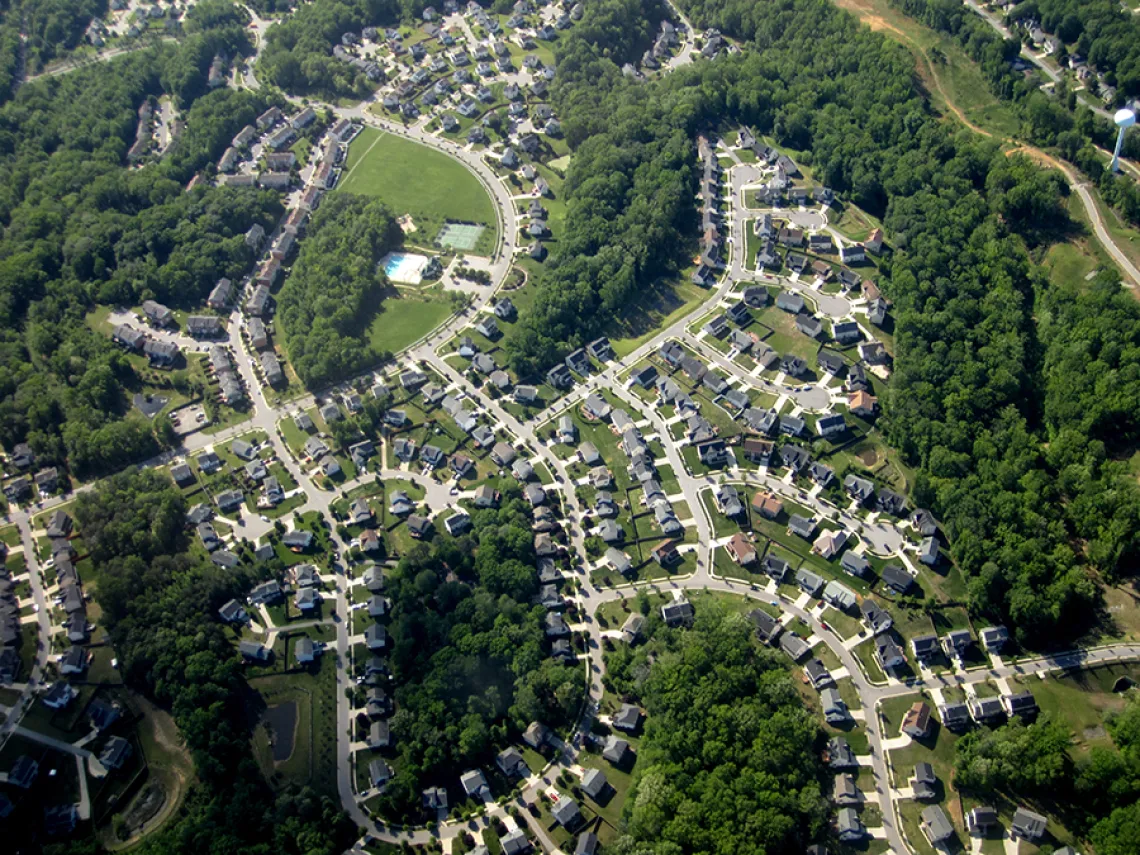
Land use change results in shifting patterns of species and resources across landscapes and can have a variety of ecological consequences for communities and ecosystems. These ecological changes converge directly with the capacity for ecosystems to mitigate and adapt to climate change. Sharon Collinge will share her experiences working at the interface of land use and climate change in the context of building resilient ecosystems and communities.
Watch the Lecture

About Sharon Collinge, PhD
Sharon Collinge’s primary ecological research focuses on the consequences of habitat loss and fragmentation and is relevant to the conservation and restoration of endangered ecosystems and communities. Sharon received her PhD in landscape ecology from Harvard University, where she worked closely with landscape architects and planners on linking ecological science with patterns of landscape change. As director of the Arizona Institute for Resilience Environments and Societies (AIRES), Sharon is committed to collaborative leadership with members of the university community, as well as with a diverse range of participants beyond the university to continue the AIRES trajectory of excellence and impact.


