Structures Load Testing

Nov. 8, 2018

Learning by Breaking

Overview
Students succeed by failing!
Who
Senior Lecturer Valerie Lane
What
Stuctures I: students test and analyze structural concepts by breaking their prototypes
Where
School of Architect Materials Lab
Categories
Image
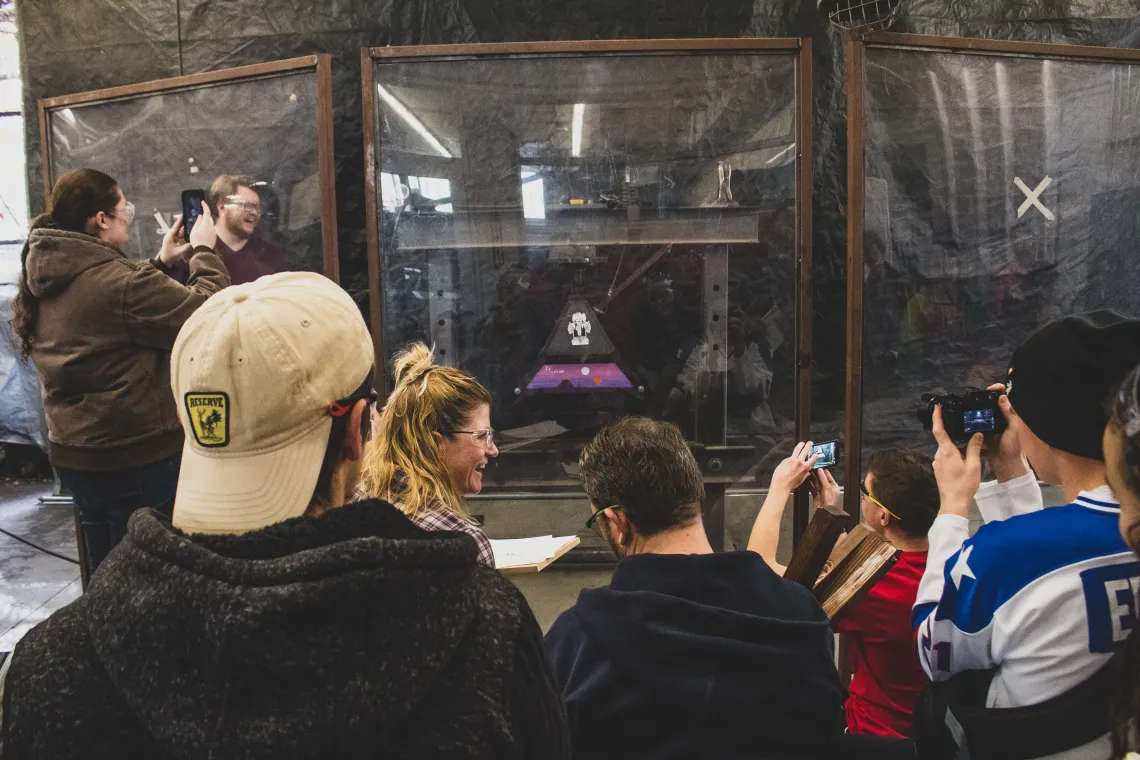
Architecture students testing structures

® College of Architecture, Planning & Landscape Architecture

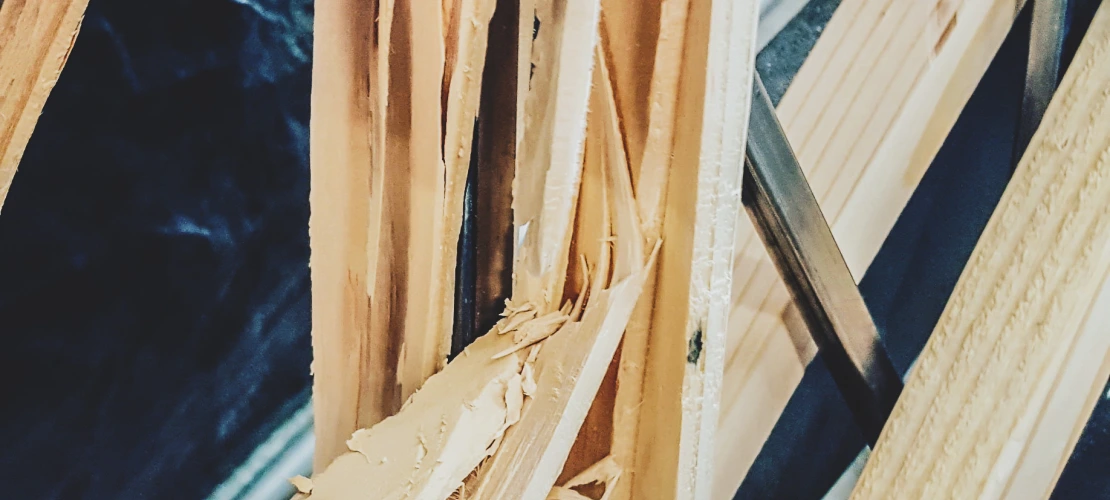
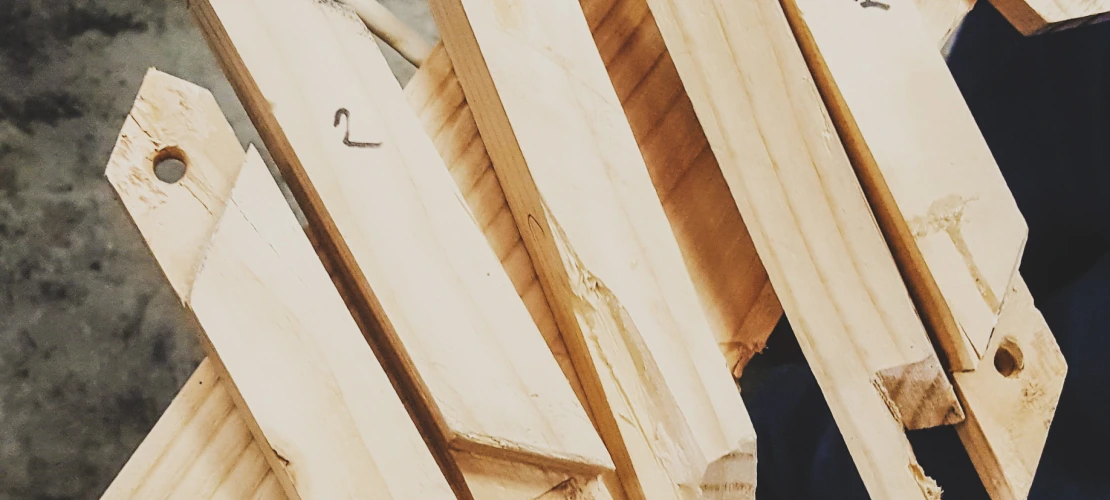
Professor Valerie Lane leads her Structures 1 class to develop a fundamental understanding of structural behavior and responsive design. Students develop a horizontal spanning structure with respect to defined load conditions and test in in our materials lab. Throughout the semester, students test four structures to observe the structural failure and analyze the load to weight ratios. The testing provides students with the opportunity to create hypotheses and develop their understanding of material capabilities and geometric stability. 


Subscribe to The Studio

Sign up for CAPLA's monthly e-newsletter to get the latest news and events, insights from faculty and leadership, profiles of students and alumni and more.

Subscribe Now

Latest CAPLA News, Projects and Profiles

Image
Kirk Dimond

Kirk Dimond honored with CELA TRIAD Award

Kirk Dimond has received the TRIAD Award from the Council of Educators in Landscape Architecture, recognizing his exceptional leadership and sustained service to the field. Over eight years with the organization, including five as treasurer, he strengthened its financial stability, advanced long-term planning and helped establish key scholarships and endowments.

Image
Aerial view of Ketchum Idaho

CAPLA faculty awarded grant to support planning in Idaho community

Associate Professors Philip Stoker and Shujuan Li have received a two-year grant to support community scenario planning and long-term water supply strategies in Blaine County, Idaho, a rapidly growing gateway region facing increasing development and water resource pressures. By combining urban growth modeling, water demand forecasting and spatial analysis, their work will help local leaders understand how different development patterns could impact future water availability.