

Building Inclusive Spaces: Lescilia Panzarella '28 BLA
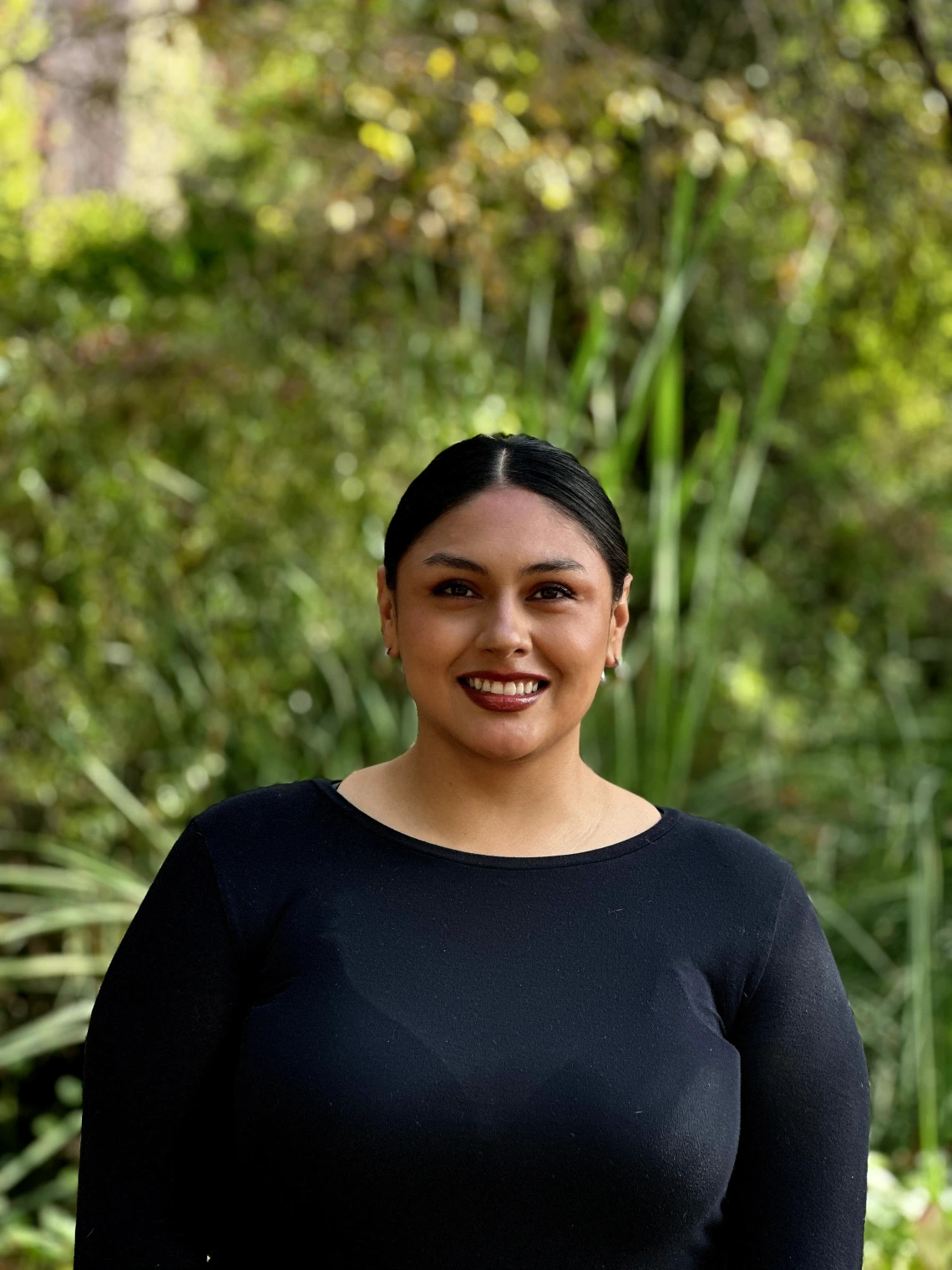
8 Questions with Lescilia Panzarella
“One of the most rewarding aspects of the Indigenous Society of Architecture, Planning and Design is working with a community that values cultural expression and incorporates traditional knowledge into modern design practices. I’m proud to contribute to a space that empowers Indigenous voices in the design world.”
Lescilia Panzarella is an active member of the CAPLA community, serving as both vice president and secretary for one of CAPLA’s newest student organizations, the Indigenous Society of Architecture, Planning and Design (ISAPD).
Keep reading to learn about her inspiring goals and passions.
What brought you to the University of Arizona?
The CAPLA program was the main reason I chose the University of Arizona. As a transfer student, I wanted to join a program I could feel confident in, and CAPLA stood out to me as a perfect fit.
What has been your biggest challenge, and how have you overcome it?
As a first-generation college student, I couldn’t afford to attend university right after high school. Instead, I earned most of my general credits at community college before transferring. While I was excited, I wasn’t prepared for how different university would be—it was a steep learning curve, to say the least.
Navigating the university system has been my biggest challenge. The way I’ve overcome this is through sheer persistence. I remind myself how far I’ve come and refuse to give up, even when setbacks occur. Staying focused and determined has helped me push through the toughest moments.
Do you have a specific focus or interest in your degree?
I haven’t chosen a specific focus yet, but I’m particularly interested in sustainable public housing and city planning. I often daydream about a city that is self-sustaining, free of homelessness and designed to protect and provide for its people—a living, breathing system of infinite self-sustenance.
What do you like best about your degree program and CAPLA?
I love my studio classes the most. They’re hands-on, and I enjoy seeing an idea come to life. It’s exciting to turn concepts into tangible realities.
What does the CAPLA experience mean to you?
To me, the CAPLA experience represents community, a sense of place, empowerment and a wellspring of inspiration and collaboration.
Do you participate in any extracurricular activities?
I’m actively involved in extracurricular activities, especially with the Indigenous Society of Architecture, Planning and Design (ISAPD), where I serve as both vice president and secretary. In this role, I help organize events, foster collaboration among members and create opportunities to highlight Indigenous perspectives in architecture and design.
One of the most rewarding aspects of ISAPD is working with a community that values cultural expression and incorporates traditional knowledge into modern design practices. Whether we’re hosting workshops, connecting with guest speakers or planning outreach initiatives, I’m proud to contribute to a space that empowers Indigenous voices in the design world.
Outside of ISAPD, I also participate in activities through the Guerrero Center and CAPLA, attend guest lectures and encourage students to join campus-wide clubs like Club Bilingüe, which has helped me feel more connected to the broader university community.
What are your hobbies and passions?
I love taking my dog to the park, going to the gym, thrifting and visiting farmers markets. I enjoy music, especially live performances, and I’m passionate about art—I love attending art walks and galleries. Since moving to Tucson, I’ve had the chance to enjoy many of its festivals and markets, like Tucson Meet Yourself.
What advice do you have for prospective CAPLA students?
Know your “why” for being here, and don’t let anything or anyone distract you from it. Community is powerful, so find one that supports your goals and holds you accountable.


