

CAPLA Professor Ladd Keith on the Imperative of Planning for Heat Resilience
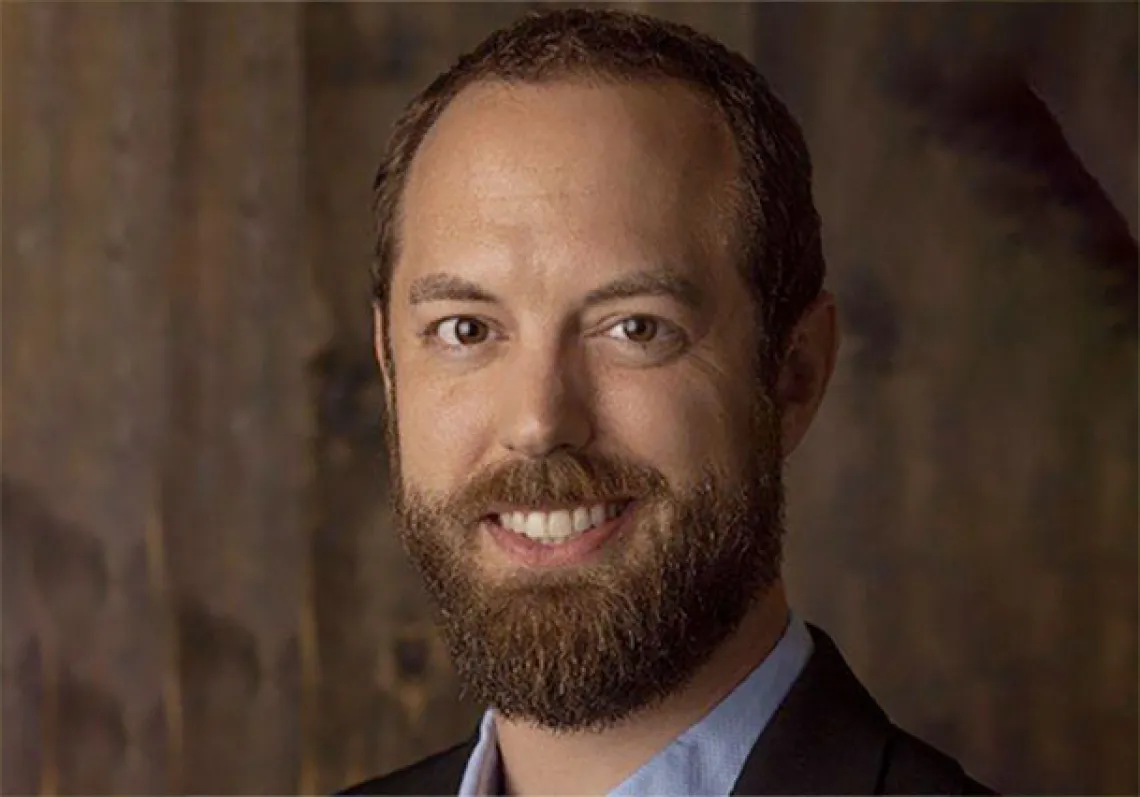
Ladd Keith, University of Arizona Associate Professor of Planning and Sustainable Built Environments.
Assistant Professor of Planning and Sustainable Built Environments Ladd Keith recently published two editorials in important national and international publications. With University of Arizona Professor of Geography Andrea K. Gerlak he authored “There’s no place in the US safe from the heat” in The Hill, and with Arizona State University Assistant Professor of Geography Sara Meerow he authored “Cities must plan for heat resilience now,” published by Reuters.
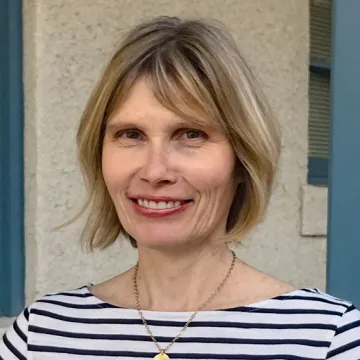
Andrea K. Gerlak, University of Arizona Professor of Geography.
The Hill editorial discusses the relationship between recent heat waves and climate change. “Heat is a silent and invisible killer and impacts the most marginalized and vulnerable communities,” write Keith and Gerlak. Compared to hurricanes and wildfires, heat is not as visually dramatic, but heat remains a significant risk.
Following multiple record-breaking heatwaves this summer, the U.S. House of Representatives Committee on Science, Space and Technology held its first-ever hearing on extreme heat. “This marks a positive step for the U.S. to seriously and immediately address heat as the nation’s most deadly climate risk,” the authors say.
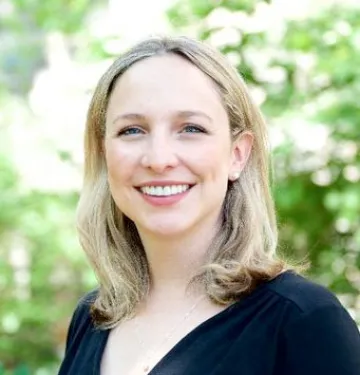
Sara Meerow, Arizona State University Assistant Professor of Geography.
The Reuters editorial is a call to action for all cities to mitigate and manage increasing heat. Keith and Meerow urge cities to plan for heat resilience immediately. “The combination of climate change and the urban heat island effect has deadly consequences,” they write. “Heat is the biggest weather-related killer in the United States, and is particularly dangerous to the elderly, those with pre-existing health conditions and people experiencing homelessness.”
Keith, who joined CAPLA in 2009, is an interdisciplinary researcher working at the intersection of urban planning and climate change to create more sustainable and resilient cities. He has over a decade of experience working with diverse stakeholders to solve complex urban challenges in cities across the U.S. His current research explores heat governance and how cities can increase heat resilience through the mitigation and management of heat. In addition to founding and leading CAPLA’s Bachelor of Science in Sustainable Built Environments, Keith teaches public participation and dispute resolution and climate action planning.


