

Lecture Recap and Video: Gulsah Akar on 'Determinants of Sustainability Mobility Patterns Among Older Adults'
Designing age-friendly cities is a complex and context-dependent process that requires clear implementation guidelines for policy makers. As one of the eight domains of age-friendly cities, transportation is a critical component of making our cities more liveable for older adults and their families.
This talk focuses on the factors that lead to sustainable mobility patterns among older adults. Empirical analysis is based on survey data collected from 1,221 older adults as part of the Age-Friendly Columbus project in Columbus, Ohio. Dr. Akar's research team include age and built environment characteristics as the key variables, with lifestyle-related factors and socio-demographics as controls in their analysis. They find older respondents were more likely to use autos only compared to younger respondents. Their analysis also reveals significant associations between built environment characteristics and travel mode choices. Interaction effects show that the relationships between built environment characteristics and travel preferences differed by age cohorts among older individuals. The primary contribution of this study is that it provides evidence on what built environmental improvements help to promote sustainable travel among older adults in mid-sized and auto-dependent metropolitan cities.
Watch the Lecture
About Gulsah Akar
Gulsah Akar is the chair of the School of City and Regional Planning at the Georgia Institute of Technology. Professor Akar conducts research on sustainable urban mobility. Her work led to various research projects and publications, from investigating built environment and travel connections using state-of-the-art data collection technologies, to measuring access and equity, demographic differences in travel outcomes and adoption of new mobility technologies. Her research received grant support from various sponsors. Professor Akar has co-authored over 35 peer-reviewed articles in top-tier journals. Akar joined Georgia Tech in 2021. Before joining Georgia Tech, she was a professor of city and regional planning at The Ohio State University. She served as a research program lead at OSU’s Sustainability Institute, providing direction for research on smart and resilient communities across the university from 2019 to 2021. She was the editor of Journal of Planning Literature from 2015 to 2021. She served as the Transportation Track co-chair of the Association of Collegiate Schools of Planning, and currently acts on multiple Transportation Research Board committees.
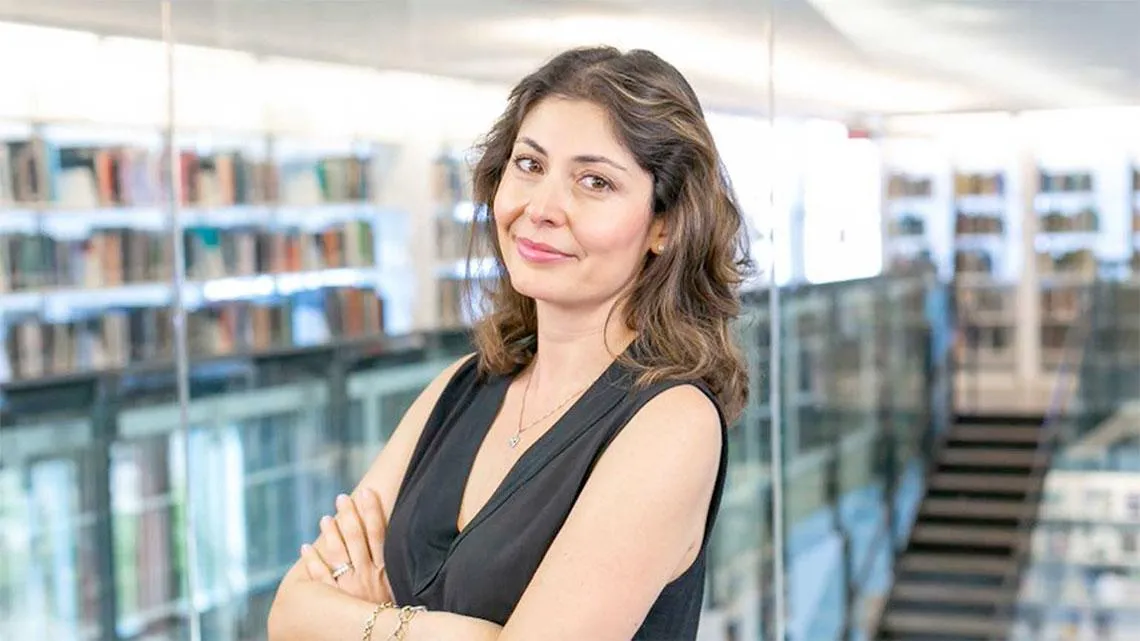
Photo of Gulsah Akar courtesy The Ohio State University.


