
Reimagining the Colorado River in the context of Water Management in Arizona | Lecture by Kathy Jacobs

Today

A School of Landscape Architecture and Planning Lecture Series Event
Overview
Reimagining the Colorado River in the context of Water Management in Arizona
Who
Kathy Jacobs
What
A School of Landscape Architecture and Planning Lecture Series Event
When
November 20, 2025
Image
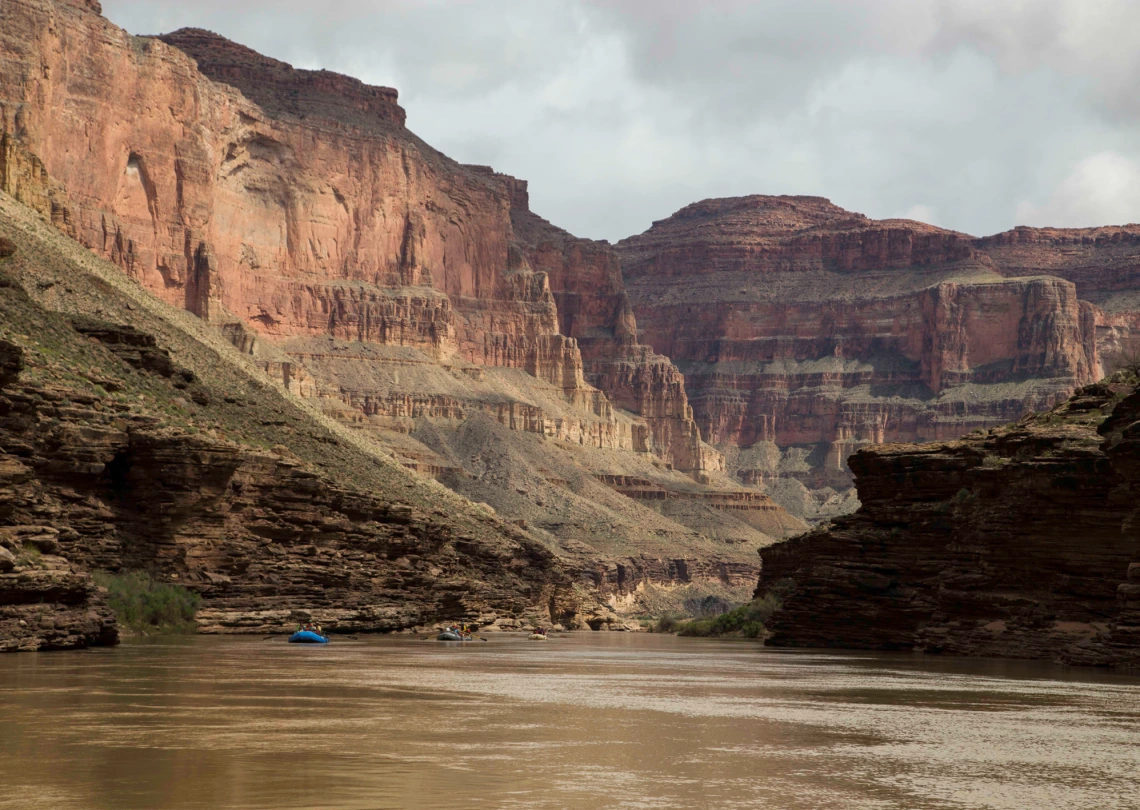
View of the Colorado river from the bottom of the Grand Canyon: two small rafts can be seen on the water in the distance and high cliffs rise in the background

The Colorado River is the backbone of water management in the southwest, serving seven states and Mexico. Ongoing drought conditions that are linked to climate change threaten Colorado River water deliveries to Arizona, but also provide an opportunity to rethink the allocation of water rights and to focus on a more sustainable approach to management. Arizona's water management system, especially within the central, urbanized areas of the state, are dependent on finding a solution to water conflicts between the states. This talk will summarize our "Colorado River Conversations" efforts and provide an update on current conditions.


Watch the Lecture


About Kathy Jacobs
Image
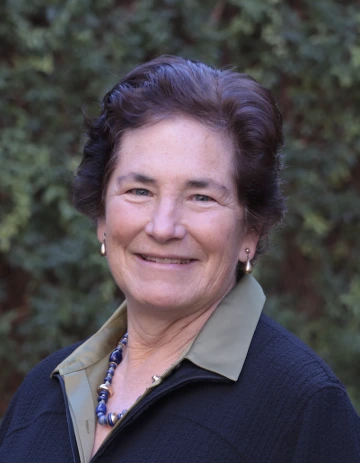
Image of Katharine Jacobs

Kathy Jacobs is a professor of Environmental Science at the University of Arizona and Director of the Center for Climate Adaptation Science and Solutions (CCASS) within the Arizona Institute for Resilience (AIR). She was the executive director of the Arizona Water Institute from 2006-2009. From 2009 – 2013, Jacobs worked in the Office of Science and Technology Policy in the White House and served as director of the Third National Climate Assessment. She worked 23 years for the Arizona Department of Water Resources (ADWR), including 15 as the appointed director of the Tucson Active Management Area (AMA). She has served on ten National Academy panels, and currently chairs one focused on water-energy issues. Jacobs has an MLA from UC Berkeley.

Header image courtesy Kathy Jacobs.


Subscribe to The Studio

Sign up for CAPLA's monthly e-newsletter to get the latest news and events, insights from faculty and leadership, profiles of students and alumni and more.

Subscribe Now

Latest CAPLA News, Projects and Profiles

Image
View of the Colorado river from the bottom of the Grand Canyon: two small rafts can be seen on the water in the distance and high cliffs rise in the background

Reimagining the Colorado River in the context of Water Management in Arizona | Lecture by Kathy Jacobs

The Colorado River is the backbone of water management in the southwest, serving seven states and Mexico. Ongoing drought conditions that are linked to climate change threaten Colorado River water deliveries to Arizona, but also provide an opportunity to rethink the allocation of water rights and to focus on a more sustainable approach to management.

Image
Teresa Rosano AIA awards

Teresa Rosano Receives Dual Honors at the 2025 AIA Arizona Design Awards

In November, Associate Professor Teresa Rosano received two top honors at the 2025 AIA Arizona Design Awards: the Architects Medal and a Community Design Award for a student-led capstone project. The recognized project—the Tucson Hope Factory Micro Shelter Village—aims to support unhoused communities in Southern Arizona through a collaborative, student-designed micro-shelter prototype. Rosano’s awards highlight both her influential architectural career and her deep commitment to education, adding to her recent series of teaching achievements.

Image
Tucson, Arizona

Balancing Buyer Protections with Development Costs: A Panel Discussion on Arizona’s Construction Defect Liability Law

In this panel discussion, we will explore the impact of Arizona’s construction defect liability laws on multifamily development, with a particular focus on possible legislative reforms to better balance buyer protections with development costs. While construction defect liability laws provide important protections for buyers, there is a growing concern among researchers and housing advocates that, if overly restrictive, these laws can increase development costs and lower production.