Image

Seizing Opportunities: Linus Friedman ‘26 SBE
Linus Friedman ('26 SBE) is graduating with dual degrees in Sustainable Built Environments and German Studies and will join Kimley-Horn as a Transportation Planning Analyst.


Linus Friedman ('26 SBE) is graduating with dual degrees in Sustainable Built Environments and German Studies and will join Kimley-Horn as a Transportation Planning Analyst.

CAPLA’s Indigenous Society of Architecture, Planning and Design (ISAPD) will host an all-day symposium on April 6, bringing together students, faculty and practitioners to explore Indigenous approaches to the built environment. Featuring Indigenous designers and supported by campus partners, the event will highlight community-centered design, sustainability and the role of Indigenous knowledge systems in shaping more responsible relationships with land.

A CAPLA studio led by Senior Lecturer Joey Iuliano is turning student interest into action by focusing on improving walking and cycling conditions on campus. In collaboration with Parking & Transportation Services and the Office of Sustainability, students analyze crash data and develop design proposals for key campus corridors to improve safety and connectivity. Inspired in part by last fall’s fatal traffic crash near campus, the course aims to produce practical ideas that could inform future campus planning.

Learn about ongoing work to preserve decorative finishes and restore missing and damaged elements of the retablo facade of Mission San Xavier del Bac. This work is supported by the Semiquincentennial Grant Program, administered by the National Park Service.

A report led by Associate Professor Philip Stoker and alumna Alyssa Fink delivers the most comprehensive climate assessment of Tucson Unified School District’s 2024 operations to date. The study establishes a greenhouse gas baseline and outlines strategies to reduce emissions, energy use and costs, supporting the district’s sustainability goals. Sponsored by Jobs With Justice, the project also highlights the impact of student-led, community-based research.

Students in CAPLA’s ARC 201 studio, guided by faculty including Christopher Domin and others, completed the "Gather Light" project focused on understanding and designing in harmony with the Sonoran Desert environment. Through observation, drawing, and modeling, students explored how light, nature, and architecture interact. Key activities involved studying desert plants, translating their forms into design systems, and developing canopies that filter light and enhance outdoor spaces. The project emphasized hands-on learning, teamwork, and iterative design using 2D and 3D representations to create thoughtful architectural interventions that respect and respond to the desert landscape.

Speakers from coLAB studio discussed the intrinsic nature and indispensable quality that determines an individual's character as a designer.

The Colorado River is the backbone of water management in the southwest, serving seven states and Mexico. Ongoing drought conditions that are linked to climate change threaten Colorado River water deliveries to Arizona, but also provide an opportunity to rethink the allocation of water rights and to focus on a more sustainable approach to management.

In this panel discussion, we will explore the impact of Arizona’s construction defect liability laws on multifamily development, with a particular focus on possible legislative reforms to better balance buyer protections with development costs. While construction defect liability laws provide important protections for buyers, there is a growing concern among researchers and housing advocates that, if overly restrictive, these laws can increase development costs and lower production.
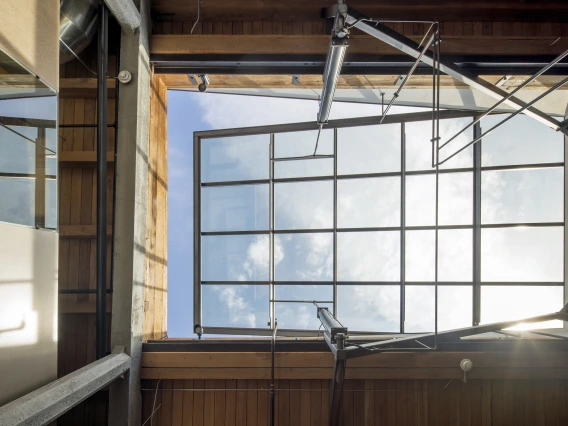
Kevin Kudo-King explored strategies for immersive design at the intersections of site, craft, and collaboration.

London, an undisputed global city, is well known for having some of the world’s most expensive housing but also boasts a substantial amount of low-cost social and affordable housing. This talk sketches the historic roots of affordable housing in London, explains how it is currently built and operated, and explores current political and practical challenges—some of which are shared by Arizona cities despite their very different contexts.

Professor P. Bryan Heidorn is the Associate Dean for Research for the College of Information Science. This talk is a bird’s-eye view of the AI and machine learning landscape and its implications for academia.