CAPLA Alumni, Welcome to 2020 Virtual Homecoming!

Nov. 13, 2020
Who
CAPLA Alumni and Friends
What
2020 Virtual Homecoming
Where
#BearDownEverywhere
When
November 12-14, 2020
Image
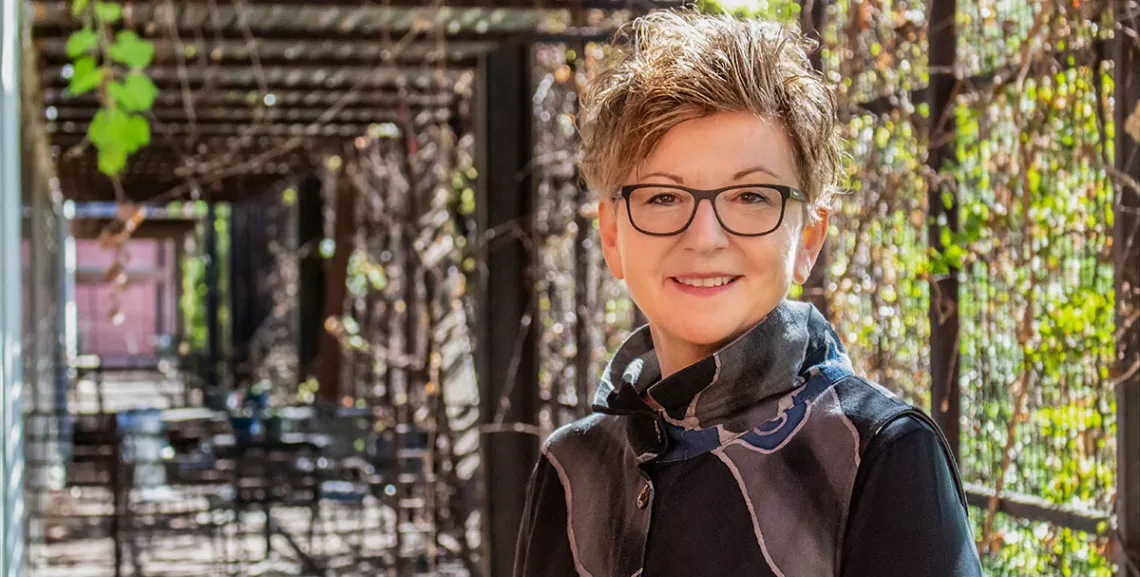
Nancy Pollock-Ellwand

College of Architecture, Planning and Landscape Architecture Dean Nancy Pollock-Ellwand welcomes you to 2020 CAPLA and University of Arizona Virtual Homecoming!


And be sure to check out our new Alumni Projects feature:

View Alumni Projects


Subscribe to The Studio

Sign up for CAPLA's monthly e-newsletter to get the latest news and events, insights from faculty and leadership, profiles of students and alumni and more.

Subscribe Now

Latest CAPLA News, Projects and Profiles

Image
Francisco Zazueta

A Force to be Reckoned With: Francisco Zazueta ‘26 B.Arch

Francisco Zazueta, a fifth-year Bachelor of Architecture student at CAPLA, was awarded the 2025 Presidential Citation by the AIA Southern Arizona Chapter for his leadership as president of the AIA Student Chapter. Recognized for his optimism and dedication to strengthening connections between students and professionals, his work focuses on mentorship, community engagement, and expanding opportunities for architecture students. Through initiatives with NOMAS and AIAS, Zazueta uses leadership and design to support a more connected, just, and resilient architectural community.

Image
Beth Weinstein

Professor Beth Weinstein Promotes Book in Europe

Professor Beth Weinstein has been promoting her 2024 book on collaborations between architects and choreographers across Europe while researching the Centre d’Identification de Vincennes (CIV), a former internment site in Paris. Her work combines archival methods and community engagement through lectures, walks, and publications, aiming to raise awareness and achieve official recognition of the CIV as a memorial site.

Image
arc 201

Gather Light: ARC 201

Students in CAPLA’s ARC 201 studio, guided by faculty including Christopher Domin and others, completed the "Gather Light" project focused on understanding and designing in harmony with the Sonoran Desert environment. Through observation, drawing, and modeling, students explored how light, nature, and architecture interact. Key activities involved studying desert plants, translating their forms into design systems, and developing canopies that filter light and enhance outdoor spaces. The project emphasized hands-on learning, teamwork, and iterative design using 2D and 3D representations to create thoughtful architectural interventions that respect and respond to the desert landscape.