

UArizona Drachman Institute Announces Community Call for Projects – Deadline: October 5, 2023
Sept. 12, 2023
Who
Drachman Institute
What
Community Call for Projects
When
Deadline: October 5, 2023
Categories
Image
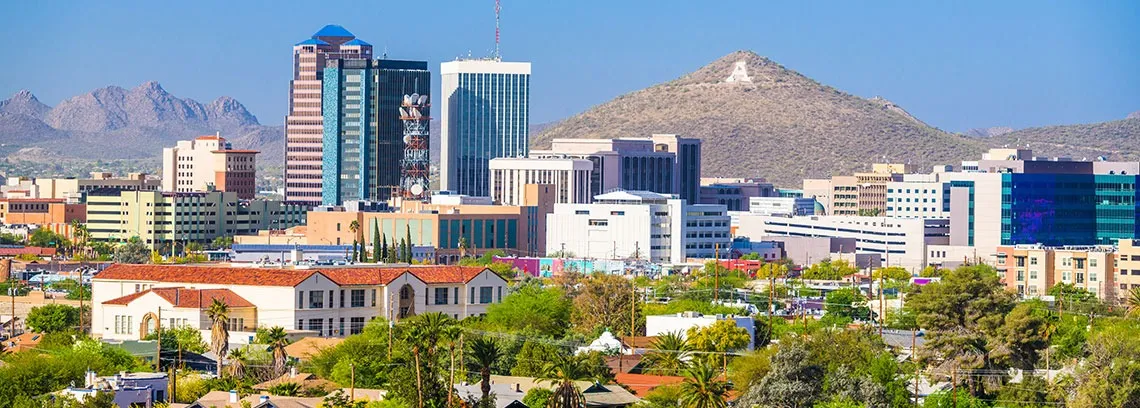
The University of Arizona’s Drachman Institute—CAPLA’s outreach arm committed to advancing equity, resilience, connection and belonging across the built environment through interdisciplinary research, design and partnerships—has announced its second annual community call for projects.
Applications for community projects undertaken in 2024-2025 must include project funding, clear partnerships and stated future deliverables.
In 2023-2024, the Drachman Institute approved four community projects:
- Tuba City Government Complex / Tuba City Chapter Property Master Plan, sponsored by Tuba City
- University of Arizona Health Science Library Space Planning Project, sponsored by the UArizona Health Science Library
- Vandal Farms Landscaping/Agriculture Project, sponsored by Miami Unified School District
- Historic Fourth Avenue District Improvement Plan Emphasizing Sustainability, Access and Safety, sponsored by Historic Fourth Avenue Coalition
Community applications are due October 5, 2023, and organizations may learn more and apply at drachmaninstitute.arizona.edu/submit-community-project.


