

The Intersection of Architecture and Technology: Damon Leverett, Senior Lecturer in Architecture
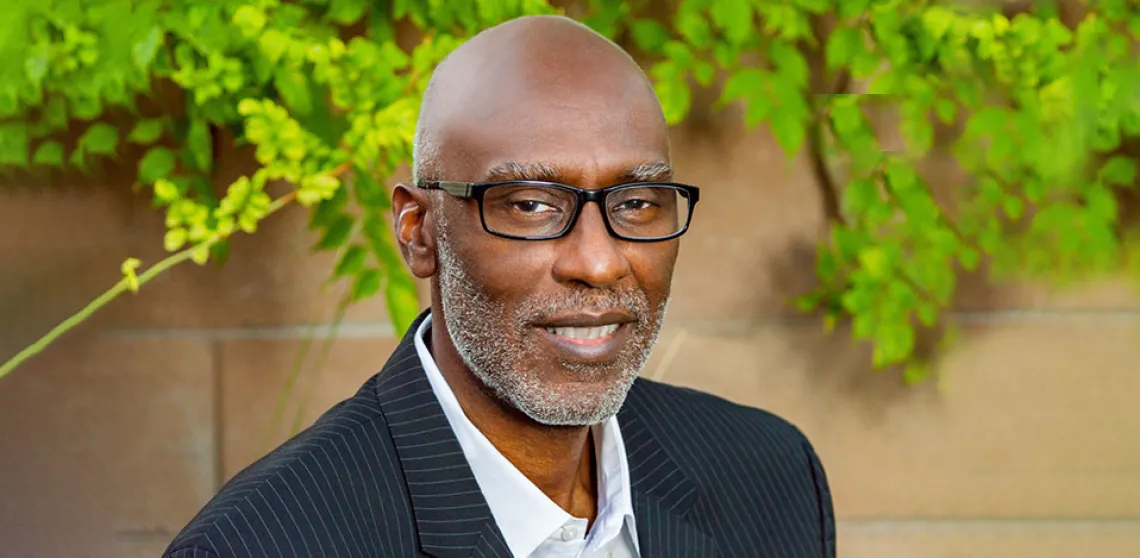
Seven Questions with Damon Leverett, Senior Lecturer in Architecture
“I enjoy being around a great group of faculty and staff and, even more, dynamic students with diverse ideas and backgrounds.”
What brought you to the College of Architecture, Planning and Landscape Architecture, and what year did you join the college?
I decided in 2002 that Arizona would be my new home for this chapter of my life. Although I left for the East Coast for a while, I experienced the draw of the desert spirit, making my return inevitable. I arrived in Tucson in early 2019 with the understanding that I would need to engage with a new community where I knew very few people. I approached CAPLA to share my practice and academic experience and joined the faculty that fall.
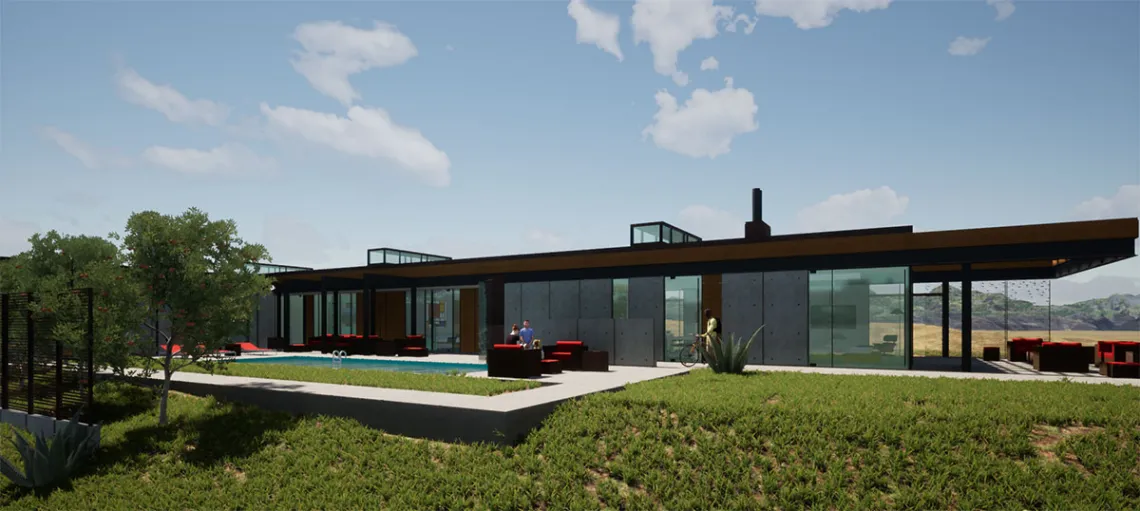
Leverett-Clark Home in Tucson, Arizona, 2019, by Damon Leverett.
What is your research and what most excites you about that research?
I have a background in computer science, so I am always interested in the intersection of architecture and technology. My hope is in combining my interests to consider kinetic architecture structures that reshape themselves to optimize their interactions with the environment.
What is your current service work?
I am a part of the CAPLA Diversity and Inclusion Committee, which is a dedicated group of people focused on the wellbeing of peoples of color, issues of dignity and respect and advocating for a more just society.
Tell us about your work with architectural firms.
I spent most of my career in large firms working on large projects with an emphasis on healthcare, institutional and mixed-use projects. Today, my main engagement in practice is strictly consulting, getting an opportunity to work with others in firms with whom I share common interests.
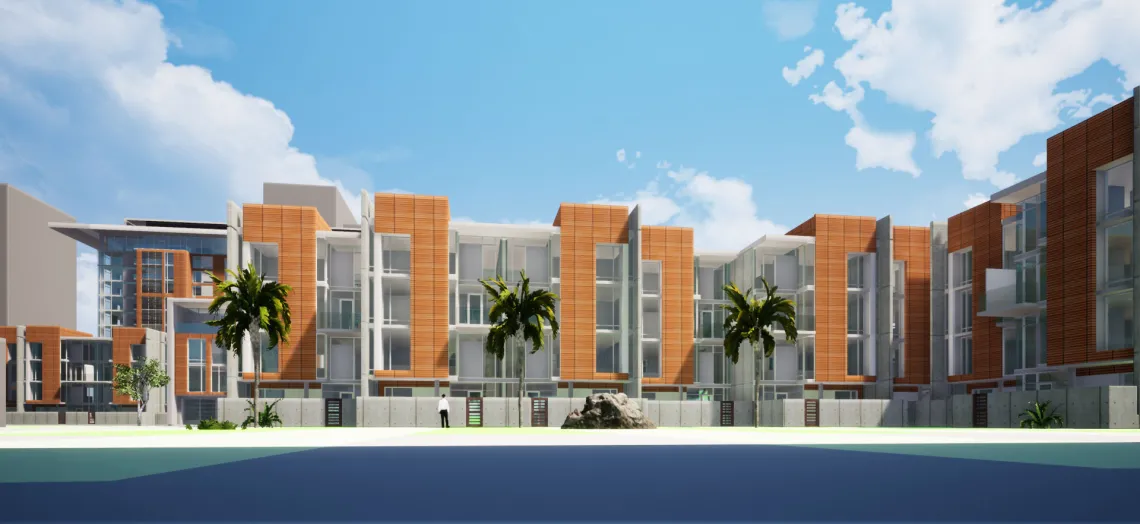
Desert Agave Town Homes in Tucson, Arizona, 2019, by Damon Leverett.
What courses do you teach, and what do you most enjoy about teaching?
I will be teaching Architecture Technology 1 and I am excited about using new visual tools for describing technical topics. I am also teaching Design Studio 1 again, where it is always a joy to work with students who, for some, is their first opportunity to design a complete building.
Beyond teaching and consulting, what is your passion?
When I am not working, I am drawing. Drawing is now my passion and not far from how I started my journey in architecture when I was just a child. Before I was an architect, I was an artist, so I am grateful I have the time to explore ideas that are more futuristic and speculative rather than programmatic and conforming.
What does the CAPLA experience mean for you?
I enjoy being around a great group of faculty and staff and, even more, dynamic students with diverse ideas and backgrounds.
To learn more, view Damon Leverett's faculty page.


