
Are You from the West? Arizona In-State Tuition Pricing for Select CAPLA Master’s Programs Now Available
March 30, 2020
Who
Western Regional Graduate Program
What
The University of Arizona Master of Architecture, MS Architecture, Master of Landscape Architecture and MS Urban Planning now participate in Western Regional Graduate Program pricing, offering a significant savings to students from qualifying states.
Image
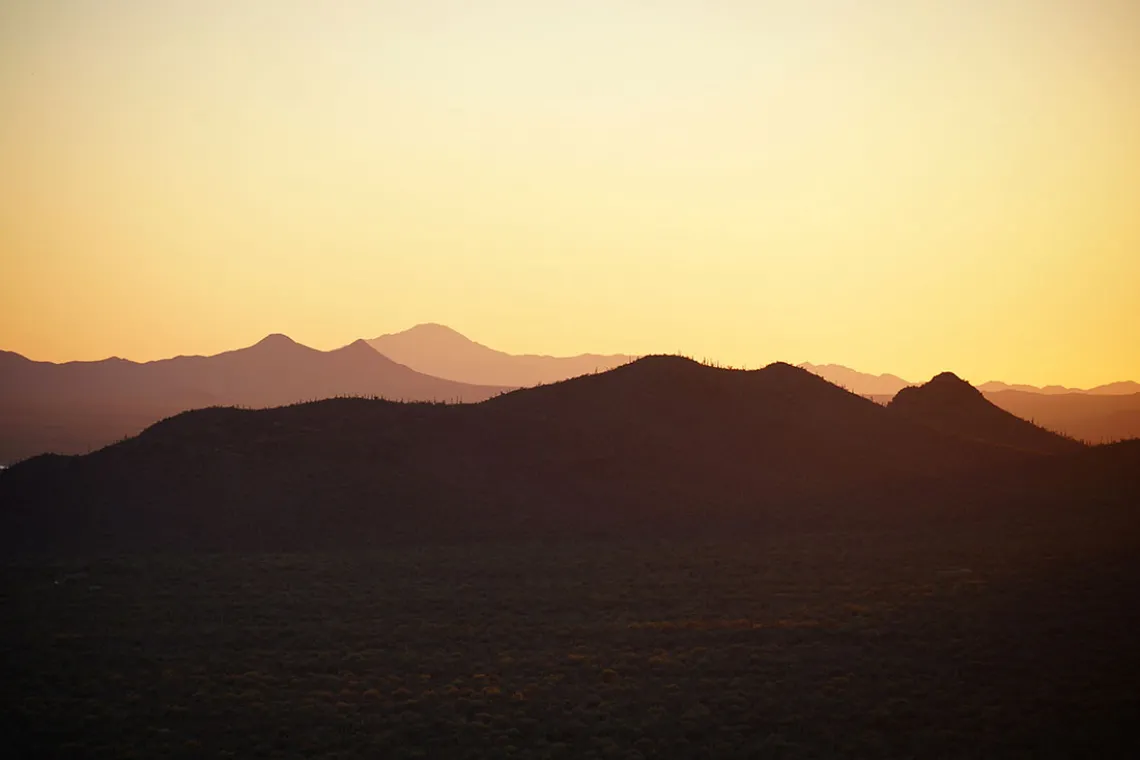
Tucson Mountains at sunset

Beginning Fall 2020, residents of the 15 participating Western Regional Graduate Program (WRGP) states who are accepted may enroll in any of the College of Architecture, Planning and Landscape Architecture’s four participating master’s programs and pay Arizona resident tuition rates—an average savings of $20,000 per year according to the WRGP graduate education savings finder, using 2019-20 UArizona tuition.

Participating CAPLA graduate programs are:

WRGP Arizona resident tuition pricing does not include fees, which are not discounted through WRGP. To be eligible, students must be admitted and enroll in a participating program, maintain residency in a participating WRGP state and maintain a GPA of 3.0 or higher. There may be additional CAPLA eligibility requirements, as well.

Participating WRGP states are:

  • Alaska
  • California
  • Colorado
  • Hawaii
  • Idaho
  • Montana
  • Nevada
  • New Mexico
  • North Dakota
  • Oregon
  • South Dakota
  • Utah
  • Washington
  • Wyoming
  • CW of N. Mariana Islands

For additional information, visit capla.arizona.edu/admissions/wrgp or contact Emilio Romero, graduate student services coordinator, at eromero@arizona.edu or 520-621-9189.


Subscribe to The Studio

Sign up for CAPLA's monthly e-newsletter to get the latest news and events, insights from faculty and leadership, profiles of students and alumni and more.

Subscribe Now

Latest CAPLA News, Projects and Profiles

Image
arc 201

Gather Light: ARC 201

Students in CAPLA’s ARC 201 studio, guided by faculty including Christopher Domin and others, completed the "Gather Light" project focused on understanding and designing in harmony with the Sonoran Desert environment. Through observation, drawing, and modeling, students explored how light, nature, and architecture interact. Key activities involved studying desert plants, translating their forms into design systems, and developing canopies that filter light and enhance outdoor spaces. The project emphasized hands-on learning, teamwork, and iterative design using 2D and 3D representations to create thoughtful architectural interventions that respect and respond to the desert landscape.

Image
Chris Tucker Design Pedagogy Award

Lecturer Christopher Tucker wins AIA Design Pedagogy Award for innovative Abiotic Studio

Christopher Tucker, a lecturer in architecture at CAPLA, received the American Institute of Architects’ Design Pedagogy Award for his Abiotic Studio, a fourth-year course that challenges students to engage with ecological realities and reimagine post-industrial landscapes through more-than-human perspectives.