
Philip Stoker Published in Science of the Total Environment
April 27, 2017
Who
Philip Stoker, Assistant Professor of Landscape Architecture and Planning
What
"Determinants of single family residential water use across scales in four western US cities" published in Science of the Total Environment.
Image
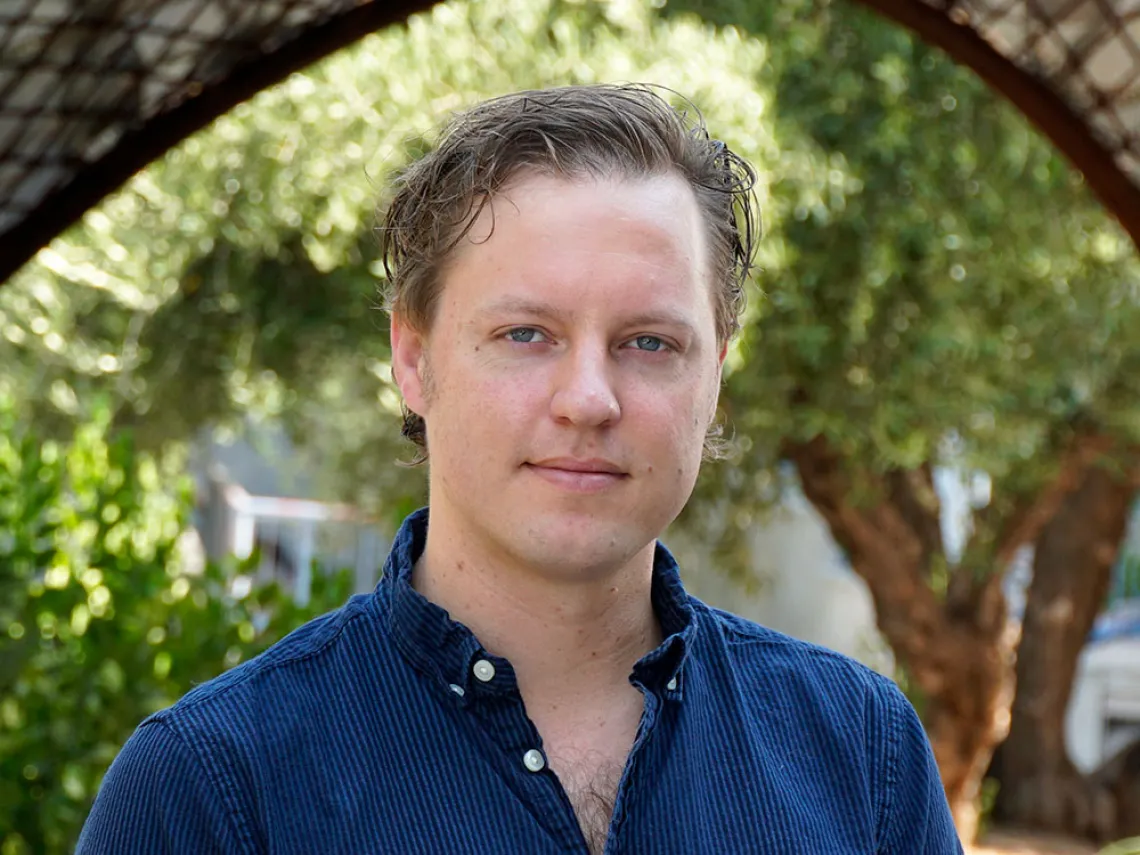
Phillip Stoker

Philip Stoker, Assistant Professor of Landscape Architecture and Urban Planning

Philip Stoker, assistant professor of landscape architecture and planning, has recently had an article published in the journal Science of the Total Environment. The article, "Determinants of single family residential water use across scales in four western US cities," describes a collaborative research project between the University of Arizona, Arizona State University, and Portland State University where the authors analyzed water use patterns in four cities. The results of the analysis indicate that characteristics of the built environment are key determinants of urban water use, implying that the way we design, plan, and build cities matters for water sustainability.


Subscribe to The Studio

Sign up for CAPLA's monthly e-newsletter to get the latest news and events, insights from faculty and leadership, profiles of students and alumni and more.

Subscribe Now

Latest CAPLA News, Projects and Profiles

Image
A photo of Tucson downtown and surrounding neighborhoods during sunset.

Research shaping Tucson's housing future

As Tucson works to address its housing shortage, research from the University of Arizona's Drachman Institute is helping guide key policy decisions. Assistant Research Professor Bill Mackey's work on zoning, land use and housing regulations is providing city leaders with research-based options to increase housing opportunities across the city.

Image
Ladd Keith posing for a photo with Tucson's downtown skyscrapers in the background.

Tucson Grown

University of Arizona alumnus and faculty member Ladd Keith has become a nationally recognized leader in extreme heat resilience, translating research into policies that help communities adapt to rising temperatures. His work has shaped federal and international heat governance while advancing the university's land-grant mission of creating practical solutions for society.