

Research by Assistant Planning Professor Philip Stoker Provides Context for Deseret News Story on Housing Affordability and Other Challenges in ‘Gateway Communities’
Research by CAPLA faculty on the planning challenges that towns in the West face due to growth was featured in a January 29, 2021 article in Deseret News, “What to do when your small town is overrun by the rich.” The article references a study by Assistant Professor of Landscape Architecture and Planning Philip Stoker that examines the planning challenges that residents and officials in the rural mountain American West have been watching unfold for years at "gateway communities."
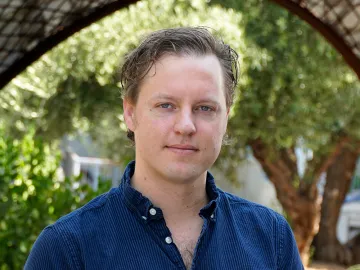
Philip Stoker, Assistant Professor of Landscape Architecture and Urban Planning
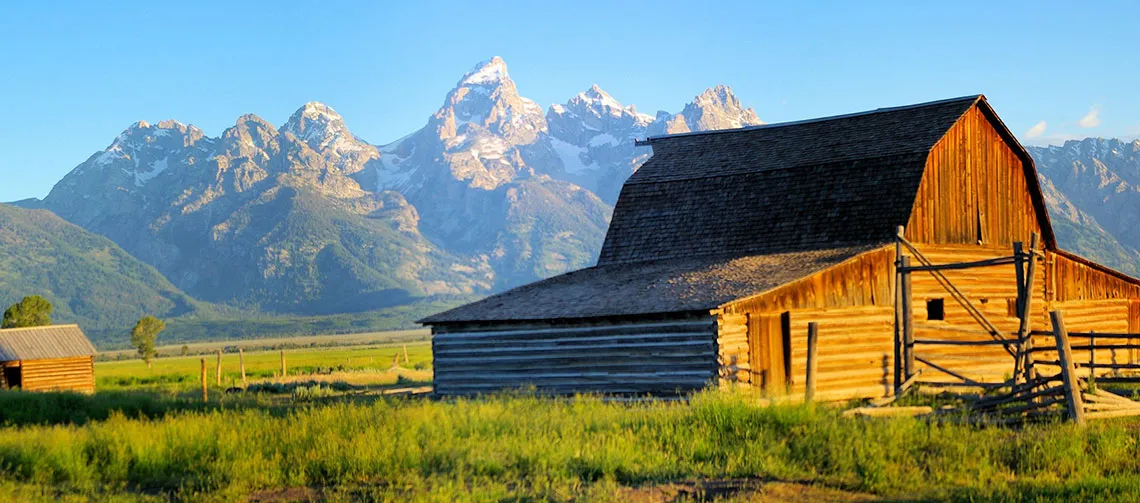
The story by Sofia Jeremias examines Jackson Hole, one such gateway community located on the border of Wyoming’s Grand Teton National Park—“the poster child for the problems that come when tourism and wealth dominate a community… and the pandemic has put those challenges ‘on steroids,’” writes Jeremias. The article also considers Springdale, Utah, a gateway community outside Utah’s Zion National Park.
“How do we start anticipating the problems that are fundamentally altering some of these communities?” asks Stoker in the study, as repeated in the Deseret News story. “How do other communities avoid this in the future?”
One of the most important lessons, notes Jeremias in referencing Stoker’s research, “is that towns need to start planning for growth as soon as possible, even if they have yet to see the hordes of tourists arrive and decide to stay.”
At the crux of the concerns around growth is housing affordability—and that challenge impacts Jackson Hole as well as communities like Springdale, which has been planning for growth for decades. Nearly 83% of respondents in a survey conducted for Stoker’s research reported that housing affordability was either "moderately problematic," "very problematic" or "extremely problematic." Nearly all interviewees called housing affordability a key issue for their communities.
Stoker, who joined CAPLA in 2015, researches urban water demand and the integration of land use planning with water management. He has conducted environmental and social science research internationally, including work with the World Health Organization, Parks Canada, the National Park Service and the Vancouver 2010 Olympic Games. Stoker holds a PhD in Metropolitan Planning, Policy and Design from the University of Utah.
Header photo of Grand Teton National Park by Mike Goad, courtesy Pixabay.


