
Lecture Recap and Video: Mónica Ramírez-Andreotta on 'Cultivating Science, Justice and Action Through Participatory Research Methods'
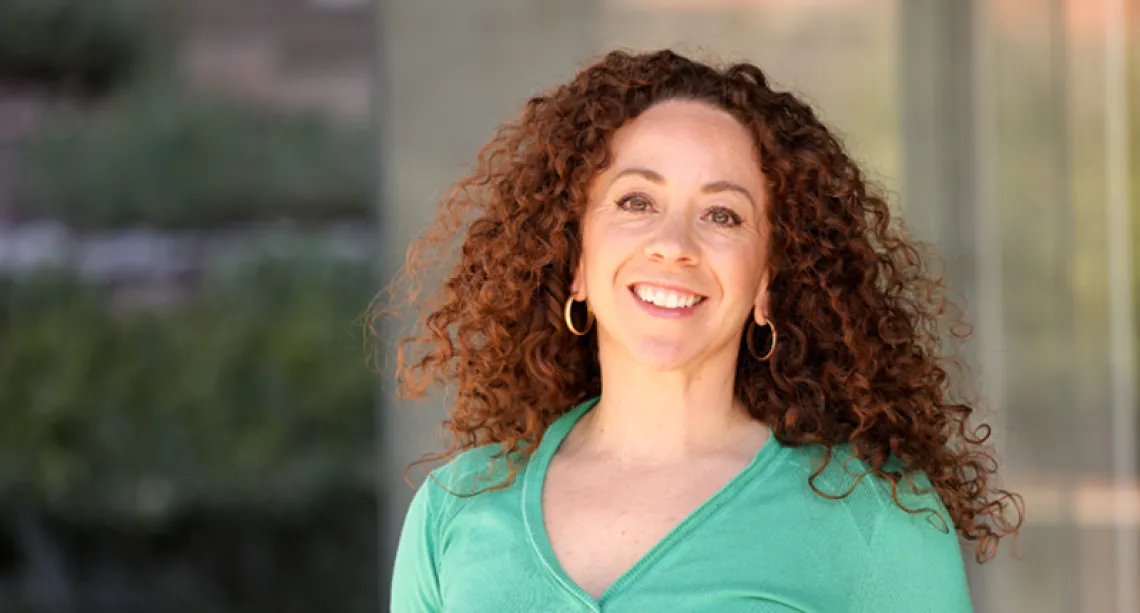
In this presentation, Ramírez-Andreotta will describe participatory research methods which advance exposure to science and communication strategies that visualize and translate environmental health research to action.
Defined broadly, participatory approaches to research can challenge and change inequity and mistrust in science, particularly when the effort reflects the diversity of the public and does not reinforce existing inequities in science, environmental decision-making, and society. These efforts are transforming investigations, for example, through the development of new monitoring tools, co-production of data, and sharing of results. Tactics for successfully sharing results to open the policy window include: 1) building transdisciplinary teams and datasets, 2) community-first reporting, 3) data standardization and interoperability among existing community generated and governmental datasets, and 4) ensuring data report-back products serve as boundary objects for use in multiple social spheres.
Links to articles referenced in the presentation:
Ripple Effect: Communicating Water Quality Data through Sonic Vibrations
Participatory Research for Environmental Justice: A Critical Interpretive Synthesis
Watch the Lecture
About Mónica Ramírez-Andreotta
Mónica Ramírez-Andreotta MPA PhD is an associate professor of environmental science at the University of Arizona. Using an environmental justice framework and participatory research methods, she investigates exposure pathways and communication strategies to translate environmental health research to action and achieve structural change.