Unveiling Innovations: ISIE Scholars Symposium Explores New Frontiers in Expo Research
The College of Architecture, Planning and Landscape Architecture, in collaboration with the Institute for the Study of International Expositions (ISIE), is hosting the 3rd annual ISIE Symposium with a focus on new research by younger scholars.
The symposium brings together emerging scholars and established experts as they explore fresh perspectives on the history and legacy of international expositions. This year's symposium aims to highlight innovative research, curation, and preservation strategies while providing outreach opportunities for new and existing ISIE members.
Dr. Lisa Schrenk, professor of Architectural History in the College of Architecture, Planning and Landscape Architecture, researches international expositions and is author of the book A Century of Progress: The Architecture of the 1933-34 World’s Fair.
In 2021, she helped establish ISIE, an independent network of scholars, professionals, and enthusiasts interested in the cultural impacts of world’s fairs.
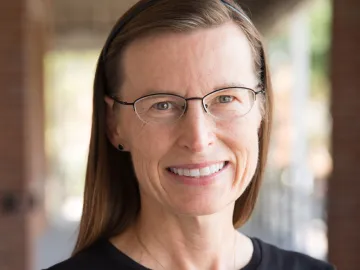
Lisa Schrenk
The following are but a few of the topics and speakers expected to present during the symposium:
- Wang Shu, World Expo Museum, Shanghai
The Medium is the Message: Evolution of Communication and Information Dissemination at the Expo - Robin Thomas, Middle East Technical University, Ankara
Oriental Encounters in the Occident: Architecture of the Ottoman Empire and British India in the 1893 Columbian Exposition - Morgan Ross, University of Oklahoma
Visions of Heaven: The 1893 World’s Fair Transportation Building as a Gateway to Paradise
More information about the topics and speakers can be found on the ISIE website.
World’s fairs and expositions, overseen by the Bureau of International Expositions in Paris, have been an integral part of global culture since 1851. Major expositions are typically scheduled for years ending in zeros and fives. Upcoming expositions are set to take place in Osaka, Japan in 2025 and Riyadh, Saudi Arabia in 2030, with smaller events such as World Horticulture Expositions occurring in between. Schrenk said she has been working with organizers in Minnesota and engaging CAPLA students to bring a world’s fair to the Twin Cities, most likely the 2031 World Horticulture Exposition.
The last time the United States hosted an exposition was in 1984 in New Orleans.
“Expositions have offered wonderful opportunities for architects to explore new design ideas as well as to promote their ideologies to the world,” Schrenk said. “For historians, these events serve as clear slices through the timeline of the modern era, allowing for interdisciplinary explorations that help to deepen understandings of architectural developments.”
Previous world’s fairs and expositions have left an indelible mark on host cities, contributing to some of today’s most visited locations. James Fortuna, PhD, co-founder of ISIE and co-host of this year’s symposium, highlights the significant urban development spurred by these events. For instance, New York City and Chicago owe two of their largest urban green spaces and sections of their transit networks to the legacy of world’s fairs. The Eiffel Tower in Paris, constructed for the 1889 International Exposition, stands as a national symbol and popular tourist attraction.
“From long-term infrastructural and industrial improvements to short-term tourism and economic benefits, expositions have a long track record of leaving host cities forever changed,” Fortuna said. “They have consistently offered the benefit of hope while outlining specific socio-cultural goals and encouraging transnational cooperation.”
Attendees of this year’s symposium can anticipate insights from ten leading emerging scholars in the field of international expositions. Topics will range from the promotion of national agendas through pavilion design at past fairs to the impact of expo messaging, building design, and foreign youth guides on visitor experiences at recent and upcoming events.