

Hands-On Learning: Kaya Orona '23 B.Arch
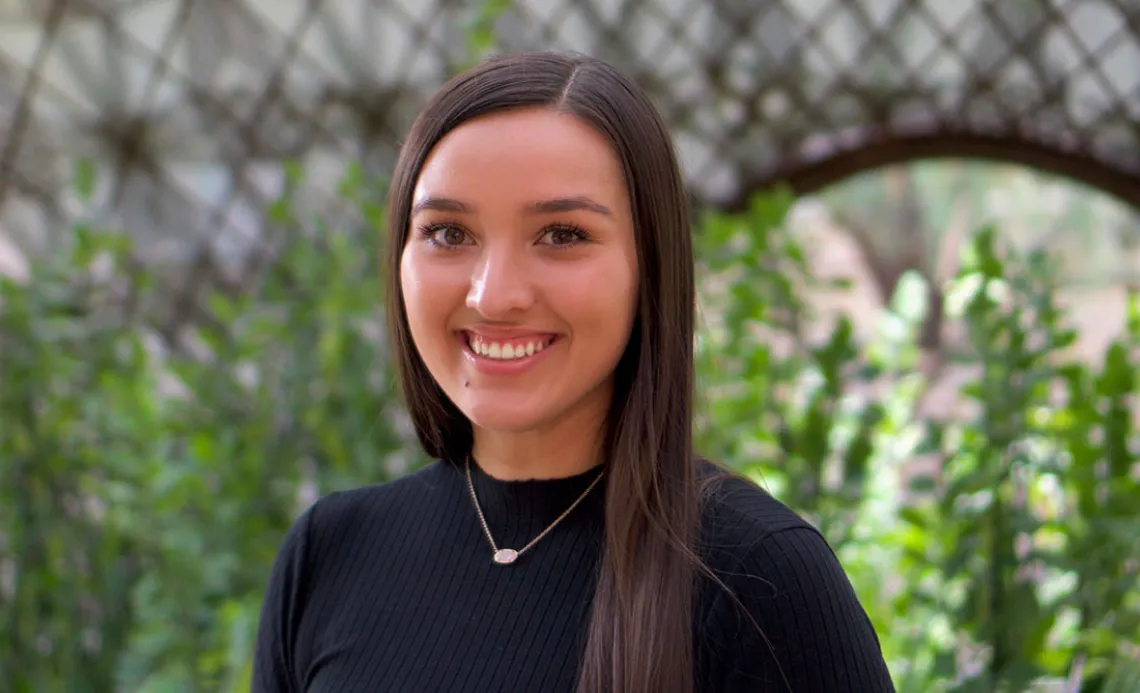
Seven Questions with Bachelor of Architecture Student Kaya Orona
“What I like most about CAPLA is the hands-on learning experience, from the Materials Labs to the studio.”
CAPLA student ambassador Kaya Orona, who is active in several student organizations, came to the Bachelor of Architecture program at the University of Arizona from Chandler, Arizona.
What brought you to the University of Arizona to study architecture?
As soon as I stepped foot on the University of Arizona campus, I felt at home. After touring CAPLA and seeing all the opportunities they had to offer, I knew it was meant to be!
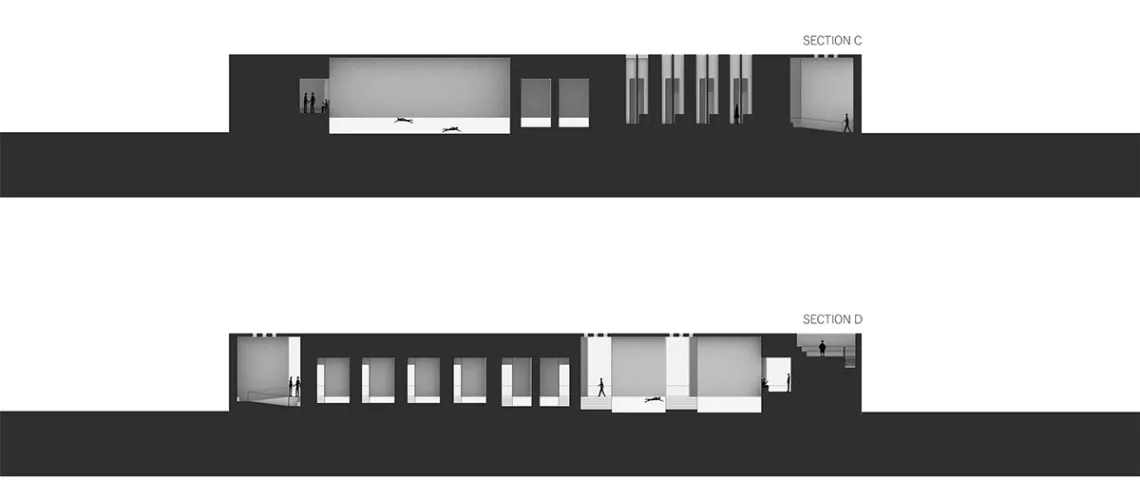
Sections by Kaya Orona.
Is there a particular area of architecture you'd like to focus on as you move through the program?
I am interested in soaking up as much knowledge as possible while I am in school. I do have a passion for heritage conservation and I hope that I can do something more with that in the future.
What do you like best about the B.Arch program and College of Architecture, Planning and Landscape Architecture?
The thing I like the most is the hands-on learning experience that CAPLA offers. In the Materials Labs, we are taught how to use tools for woodworking and welding and we were also taught how to pour concrete. In studio, we build small iterative models to express concepts and also build physical models to better represent our ideas. The hands-on experience also helps us in improving our craft.
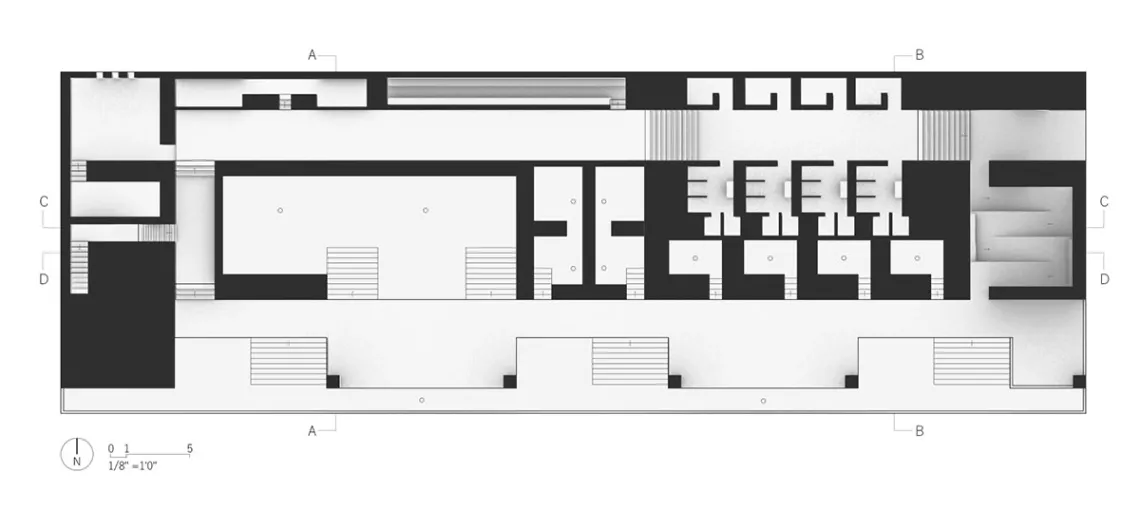
Plan by Kaya Orona.
What has been your biggest challenge at CAPLA, and how have you overcome that challenge?
The biggest challenge that I have faced has been balancing schoolwork with extracurricular activities. I am involved in a lot of clubs, including CAPLA Student Ambassadors and American Institute of Architecture Students, and sometimes find I’m spreading myself too thin. I just love being involved in as much as I can!
What does the CAPLA experience mean for you?
The CAPLA experience for me means finding my home-away-from-home while getting a great education.
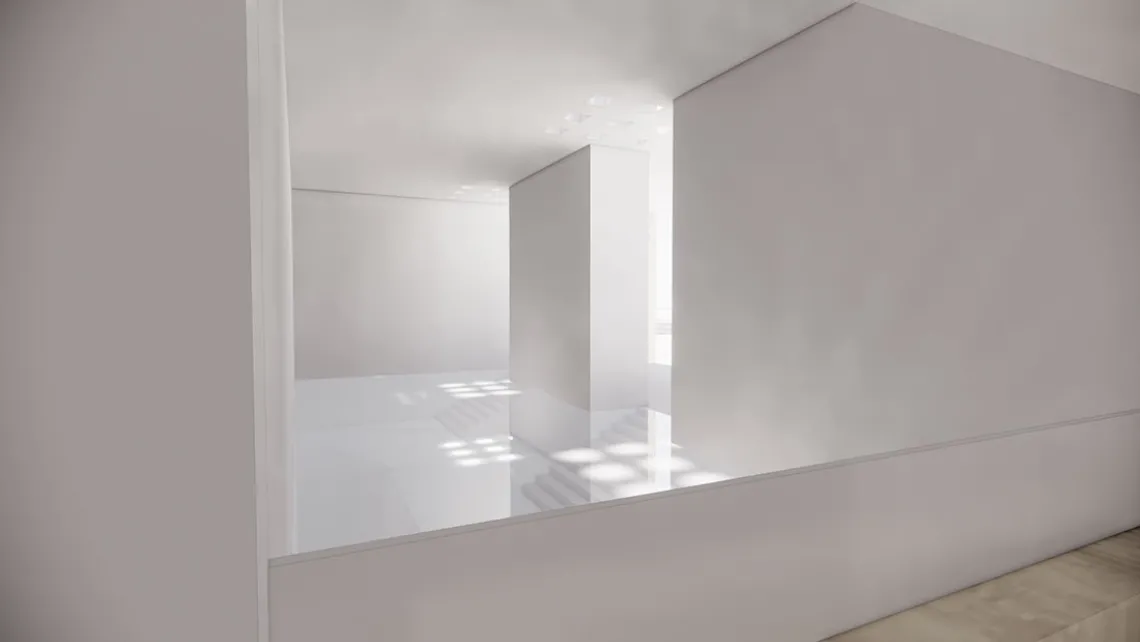
Rendering of indoor pool by Kaya Orona.
Tell us a bit about your internship experience.
I got an internship at SPS+ Architects in Scottsdale, Arizona through interviewing at the CAPLA Job Interview Fair. I have learned so much about architecture in the real world and I hope to continue to learn more in the near future.
What advice do you have for prospective B.Arch students?
I would tell prospective B. Arch students to get involved and find your second family here! You’ll be here for five years and it’s great to have a group of friends to support each other through your journey at CAPLA.


