
Are You from the West? Arizona In-State Tuition Pricing for Select CAPLA Master’s Programs Now Available
March 30, 2020
Who
Western Regional Graduate Program
What
The University of Arizona Master of Architecture, MS Architecture, Master of Landscape Architecture and MS Urban Planning now participate in Western Regional Graduate Program pricing, offering a significant savings to students from qualifying states.
Image
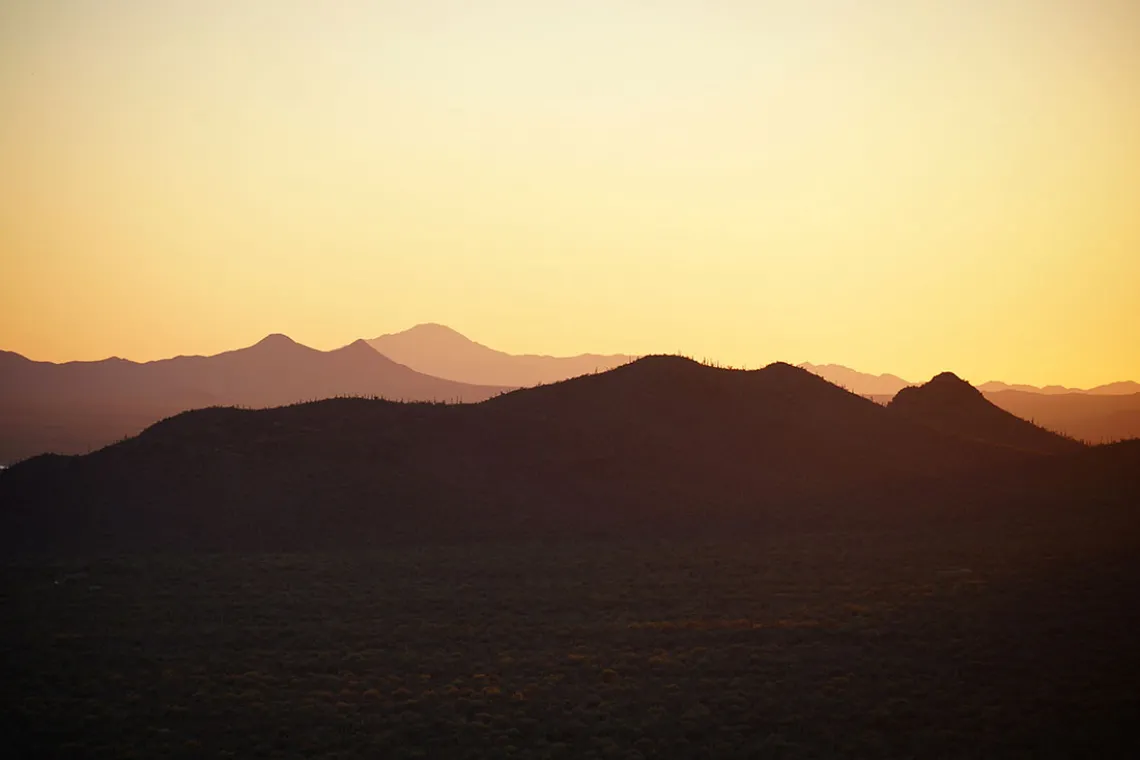
Tucson Mountains at sunset

Beginning Fall 2020, residents of the 15 participating Western Regional Graduate Program (WRGP) states who are accepted may enroll in any of the College of Architecture, Planning and Landscape Architecture’s four participating master’s programs and pay Arizona resident tuition rates—an average savings of $20,000 per year according to the WRGP graduate education savings finder, using 2019-20 UArizona tuition.

Participating CAPLA graduate programs are:

WRGP Arizona resident tuition pricing does not include fees, which are not discounted through WRGP. To be eligible, students must be admitted and enroll in a participating program, maintain residency in a participating WRGP state and maintain a GPA of 3.0 or higher. There may be additional CAPLA eligibility requirements, as well.

Participating WRGP states are:

  • Alaska
  • California
  • Colorado
  • Hawaii
  • Idaho
  • Montana
  • Nevada
  • New Mexico
  • North Dakota
  • Oregon
  • South Dakota
  • Utah
  • Washington
  • Wyoming
  • CW of N. Mariana Islands

For additional information, visit capla.arizona.edu/admissions/wrgp or contact Emilio Romero, graduate student services coordinator, at eromero@arizona.edu or 520-621-9189.


Subscribe to The Studio

Sign up for CAPLA's monthly e-newsletter to get the latest news and events, insights from faculty and leadership, profiles of students and alumni and more.

Subscribe Now

Latest CAPLA News, Projects and Profiles

Image
Lauren Bon

Lecture Recap | The Cyborg Watershed of the American West | A Jones Studio Grand Challenges Lecture featuring Lauren Bon

An engineered network of waterways flowing west from the Rockies sustains life in one of the hottest regions on Earth, forming a “cyborg watershed” that blends natural systems with human-made infrastructure and regional mythologies. Bon explored this system through her large-scale artworks, examining buried waterways, the complexities of policy and politics, and the pursuit of a civic identity shaped by water rather than boundaries.

Image
Group photo of four CAPLA students who are members of the ISAPD

CAPLA to host Indigenous Design Symposium focused on community, sustainability

CAPLA’s Indigenous Society of Architecture, Planning and Design (ISAPD) will host an all-day symposium on April 6, bringing together students, faculty and practitioners to explore Indigenous approaches to the built environment. Featuring Indigenous designers and supported by campus partners, the event will highlight community-centered design, sustainability and the role of Indigenous knowledge systems in shaping more responsible relationships with land.