
Affordable Housing Project Receives National Recognition

May 16, 2019

An innovative mixed-income housing development designed by an interdisciplinary team of CAPLA students was awarded 2nd Place/Honorable Mention in the 2019 Bank of America Merrill Lynch Low-Income Housing Challenge.
Overview
For over 25 years, the Low Income Housing Challenge has helped drive innovation and commitment among college students, and empowered new generations of affordable housing leaders.
Who
Interdisciplinary team of CAPLA students
What
2019 Bank of America Merrill Lynch Low income Housing Challenge
Image
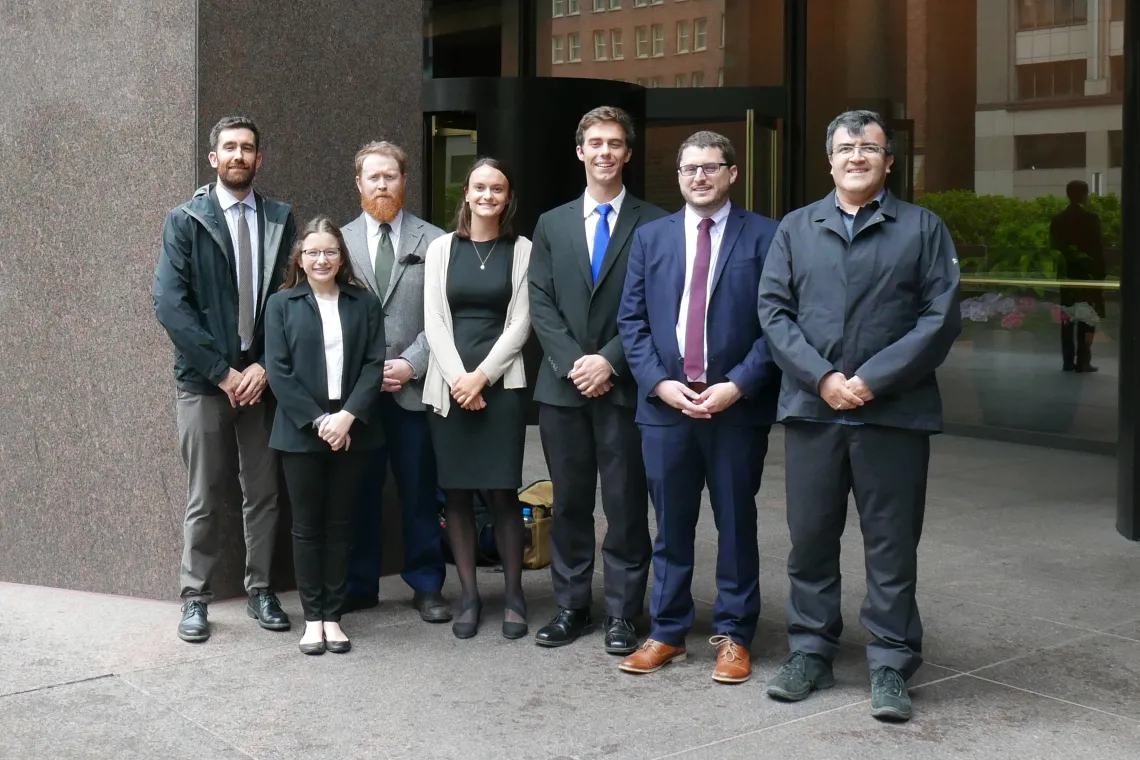
Team of CAPLA students posing for group ohoto

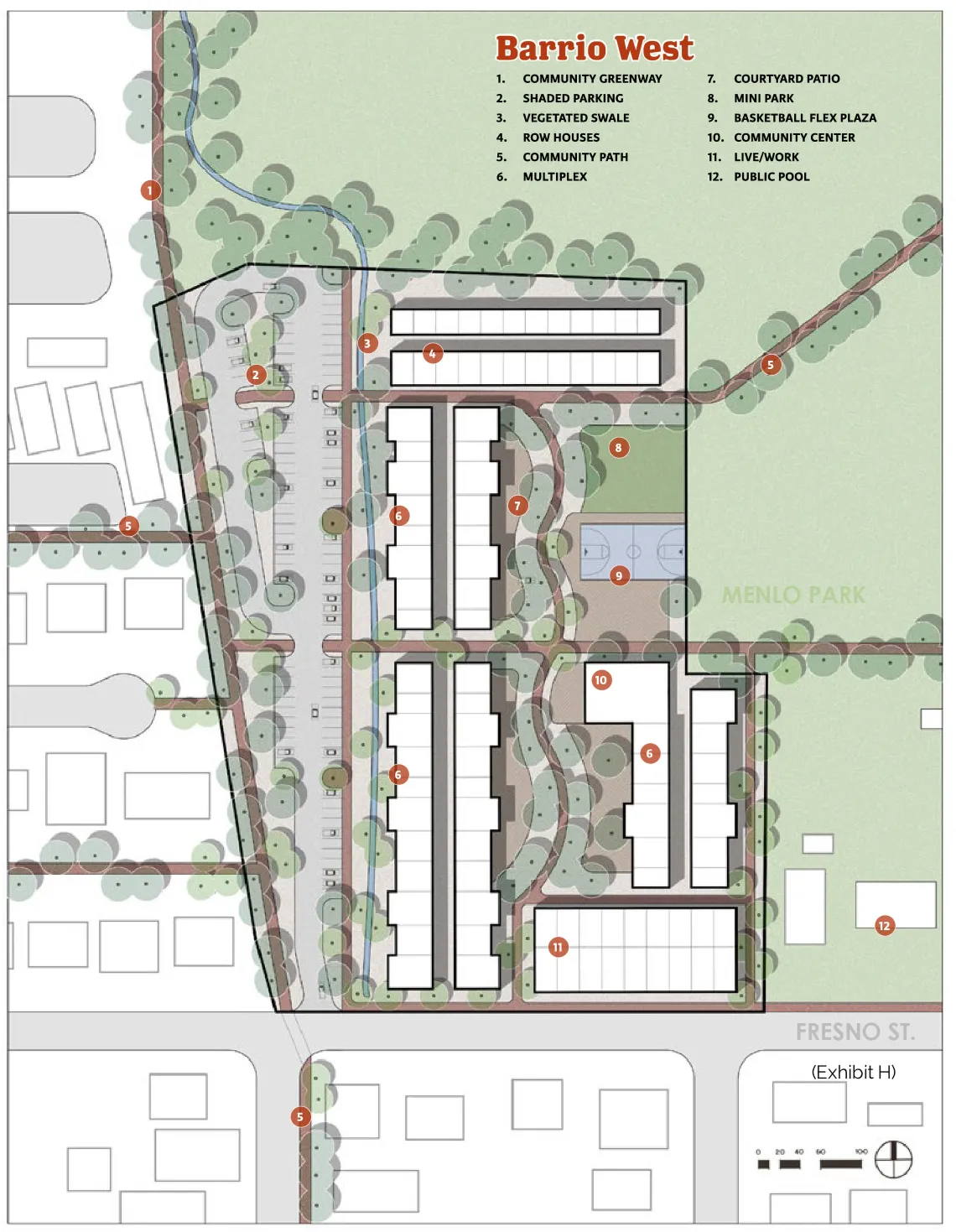
The student team selected the proposed project⁠ site—the campus of a shuttered elementary school in Tucson’s Menlo Park neighborhood⁠—after speaking to area residents who experienced the loss of an important community and neighborhood hub with the school’s closing. In response, the team designed a housing development, Barrio West, that offers affordable housing units to low income residents at a variety of household income levels while also providing the neighborhood with community amenities: computers and workspaces, youth and community rooms, and event space. Live/work units included in the design increase opportunities for families who have skills to share while keeping local dollars in the community.

Students from the Master of Real Estate Development, Master of Science in Urban Planning, Master of Landscape Architecture, and Bachelor of Architecture programs formed the project team, which called itself “Ocotillo Development.” The students and faculty advisors met with a variety of stakeholders, including residents and city council staff to determine neighborhood needs and concerns, community service providers to coordinate available services with the project’s offerings, and The Southern Arizona Land Trust for guidance on development in Tucson as well as management of an affordable housing rental program.
Image

Following the team’s final presentation in San Francisco, competition organizers recognized the design’s "community impact and environmental approach," praising the team for the way they listened and responded to community needs, the design’s impressive environmental considerations⁠—including the ways in which the design responded to heat and sustainability, storm water capture and treatment, and the mitigation of heat island effects⁠—and the creation of a Greenway that connected the project to the adjacent park and community.

This is the second year in a row that CAPLA team has advanced to the Bank of America Merrill Lynch Low Income Challenge Final Competition in San Francisco.

Congrats to the outstanding students and faculty advisors!

Image
Team of CAPLA students posing for group photo.


Subscribe to The Studio

Sign up for CAPLA's monthly e-newsletter to get the latest news and events, insights from faculty and leadership, profiles of students and alumni and more.

Subscribe Now

Latest CAPLA News, Projects and Profiles

Image
View of the Colorado river from the bottom of the Grand Canyon: two small rafts can be seen on the water in the distance and high cliffs rise in the background

Reimagining the Colorado River in the context of Water Management in Arizona | Lecture by Kathy Jacobs

The Colorado River is the backbone of water management in the southwest, serving seven states and Mexico. Ongoing drought conditions that are linked to climate change threaten Colorado River water deliveries to Arizona, but also provide an opportunity to rethink the allocation of water rights and to focus on a more sustainable approach to management.

Image
Teresa Rosano AIA awards

Teresa Rosano Receives Dual Honors at the 2025 AIA Arizona Design Awards

In November, Associate Professor Teresa Rosano received two top honors at the 2025 AIA Arizona Design Awards: the Architects Medal and a Community Design Award for a student-led capstone project. The recognized project—the Tucson Hope Factory Micro Shelter Village—aims to support unhoused communities in Southern Arizona through a collaborative, student-designed micro-shelter prototype.

Image
Tucson, Arizona

Balancing Buyer Protections with Development Costs: A Panel Discussion on Arizona’s Construction Defect Liability Law

In this panel discussion, we will explore the impact of Arizona’s construction defect liability laws on multifamily development, with a particular focus on possible legislative reforms to better balance buyer protections with development costs. While construction defect liability laws provide important protections for buyers, there is a growing concern among researchers and housing advocates that, if overly restrictive, these laws can increase development costs and lower production.