Drachman Design Build Coalition Residence 3

Dec. 16, 2019
Who
Drachman Design-Build Coalition
What
Drachman Design Build Coalition Residence 3
Where
Tucson, Arizona
When
2008
Image
Drachman Design-Build Coalition Residence 3
Image
Drachman Design-Build Coalition Residence 3

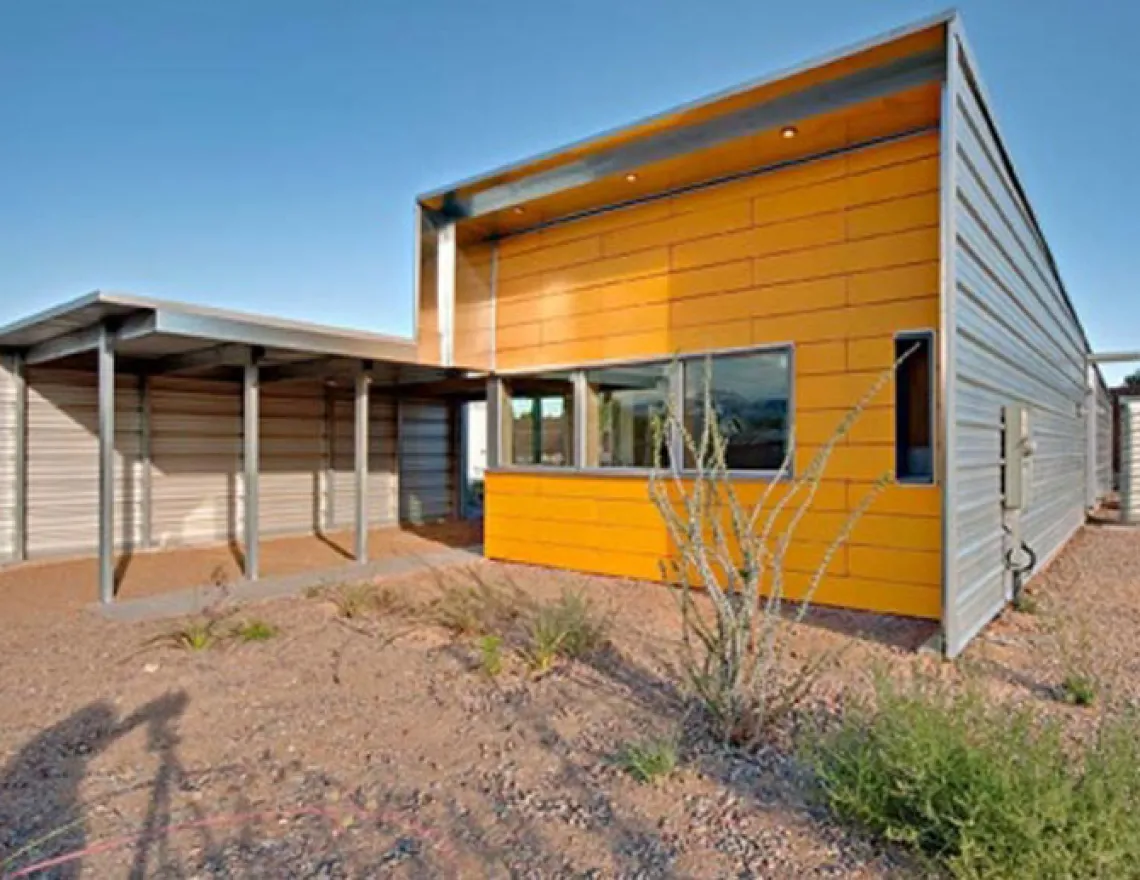
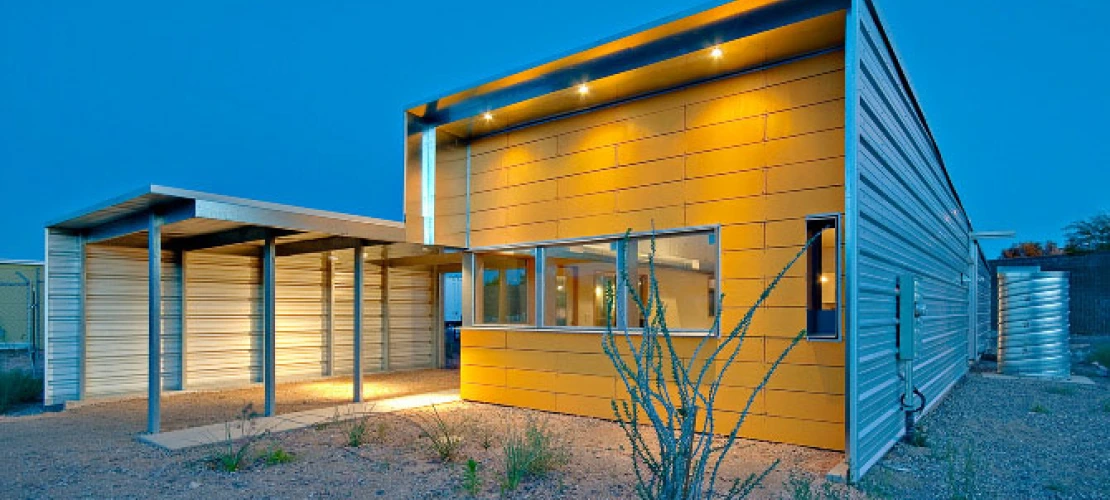
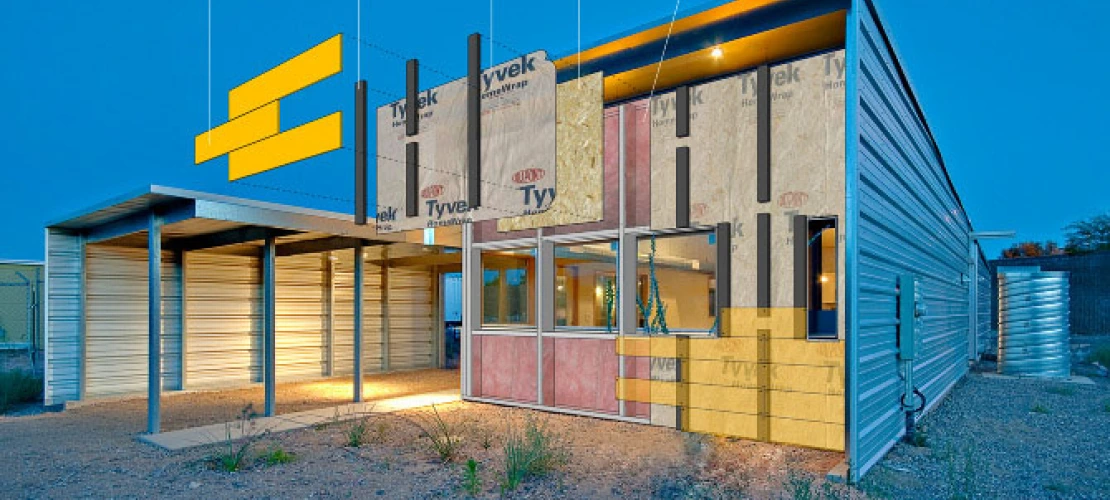
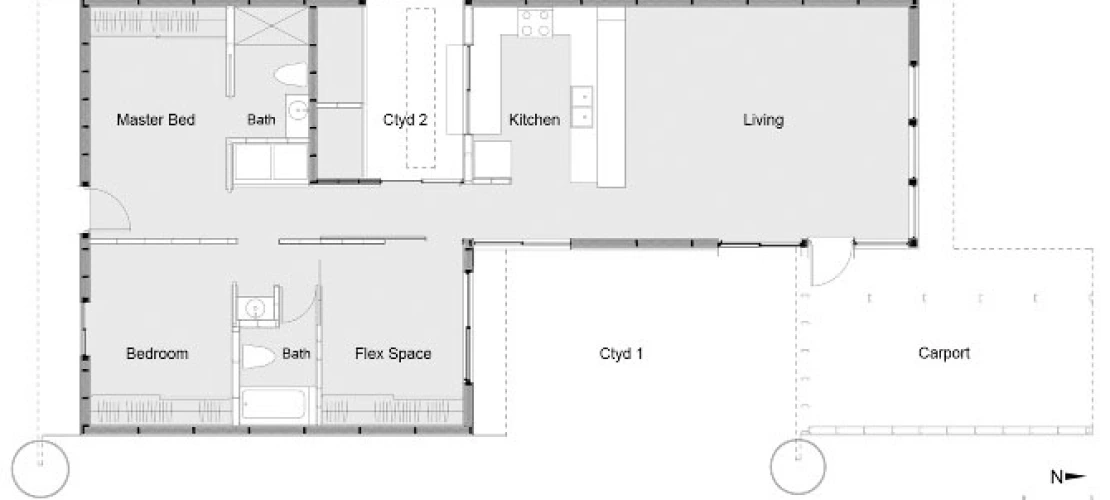
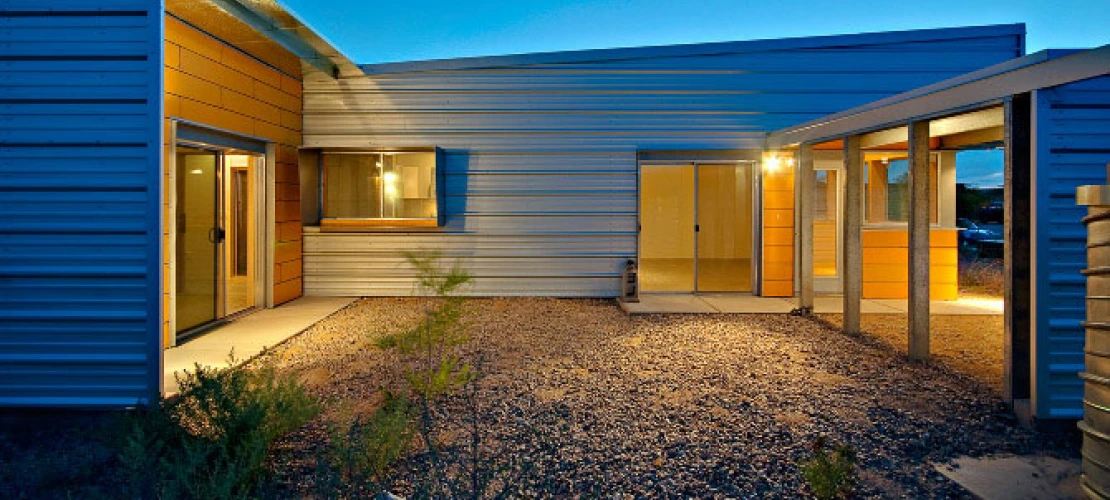
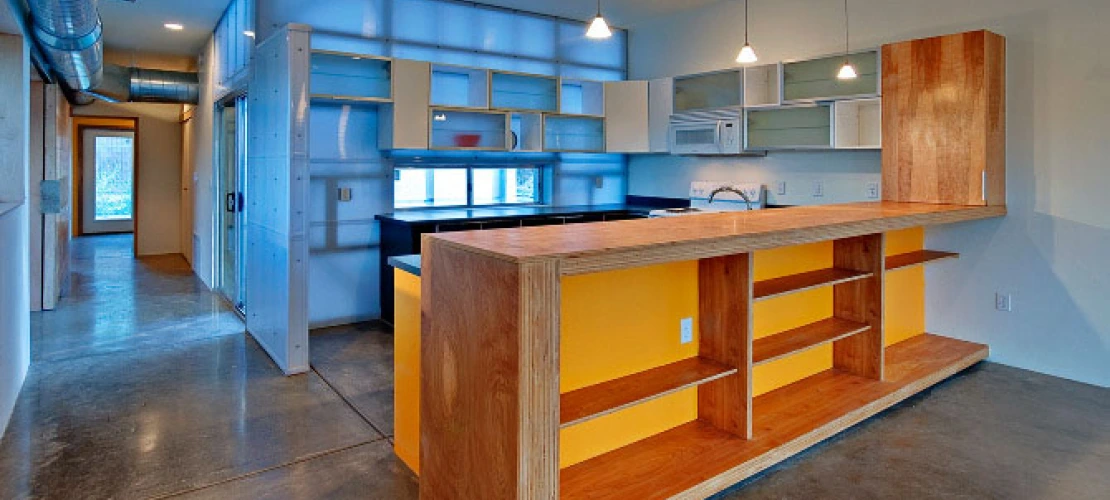
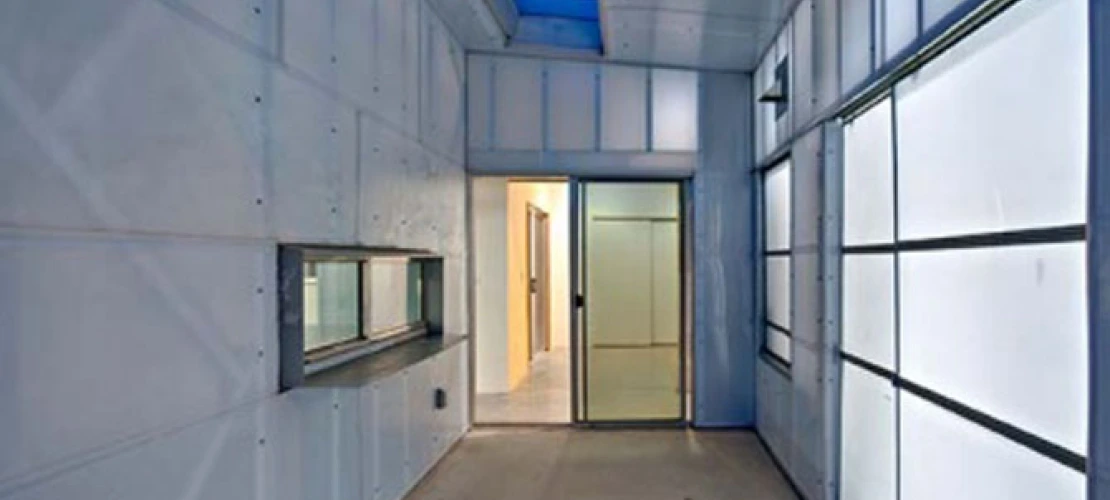
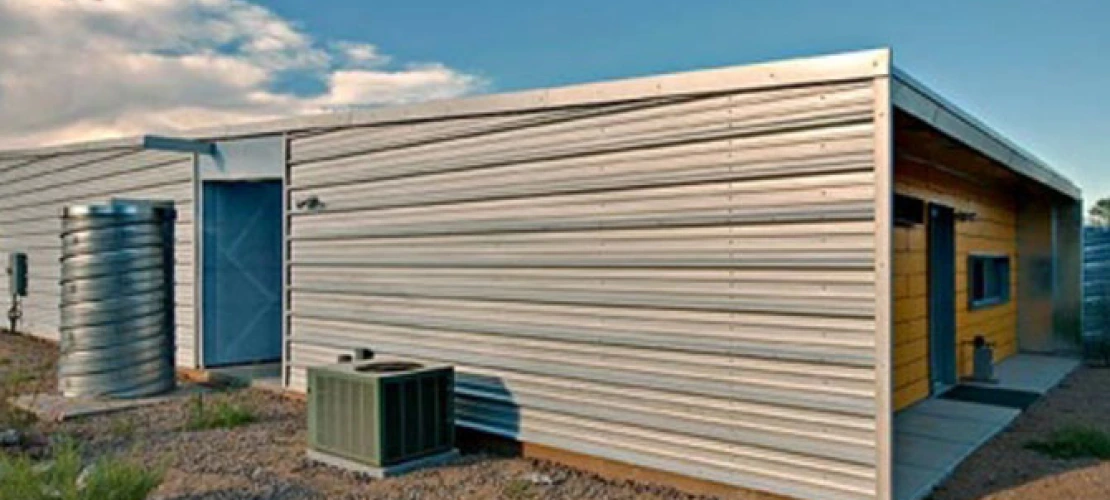
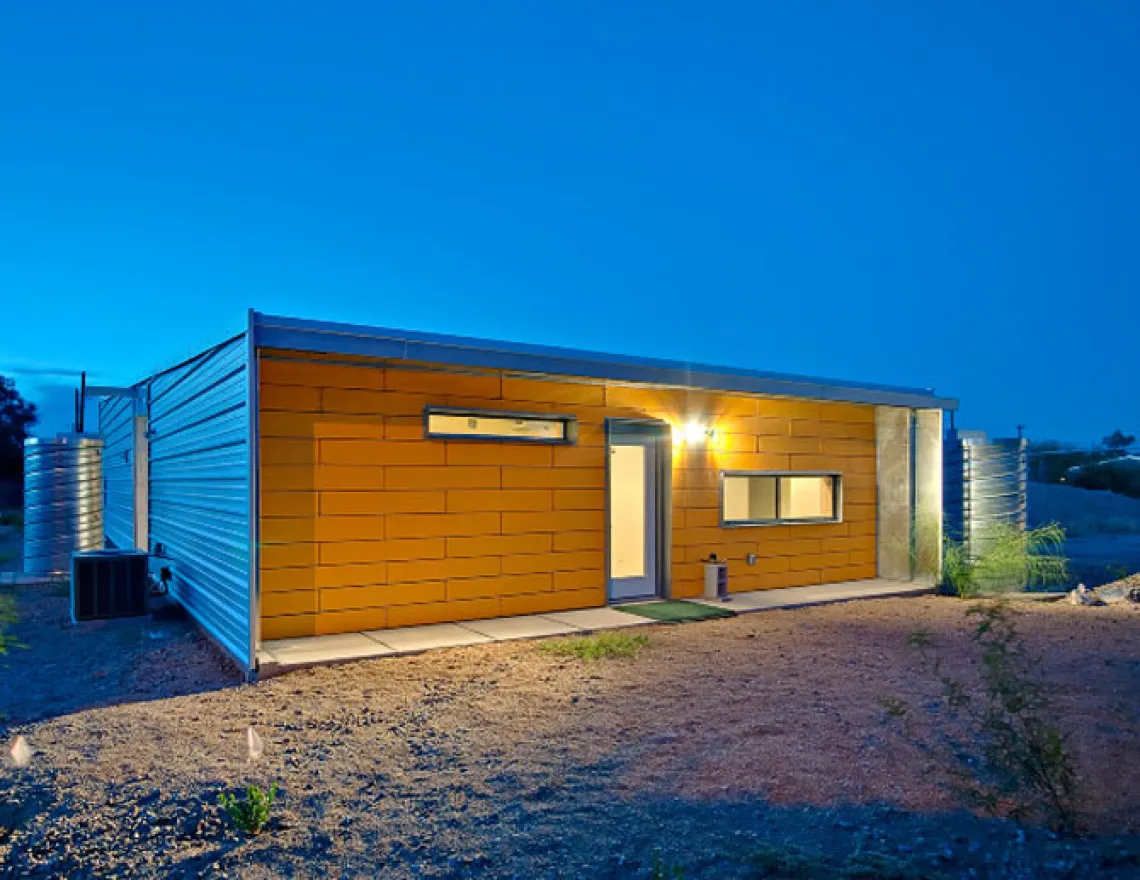
The Drachman Design-Build Coalition Residence 3 is a three-bedroom, two-bathroom residence of 1200 square feet in area. It was designed and construction by School of Architecture faculty Mary Hardin and John Folanalongside, and their architecture students in 2007-2008. The main building features include two courtyards that allow natural light and ventilation to reach all habitable spaces, a sliding wall panel that enables reconfiguration of interior space, a super-insulated building envelope, and innovative use of polycarbonate sheathing. The roof is comprised of metal roof trusses and standing seam metal roof. The interior is insulated with R-30 batts, and the ceiling is blow-in insulation to achieve a higher efficiency of the HVAC system. Ventilation occurs and is allowed throughout the interior, as demonstrated through the open floor plan that induces cross-ventilation with operable ventilation hatches. Fiber cement panels are used in a unique way to clad the exterior and create a breathable, ventilated rain-screen with a vibrant painted exterior finish. 
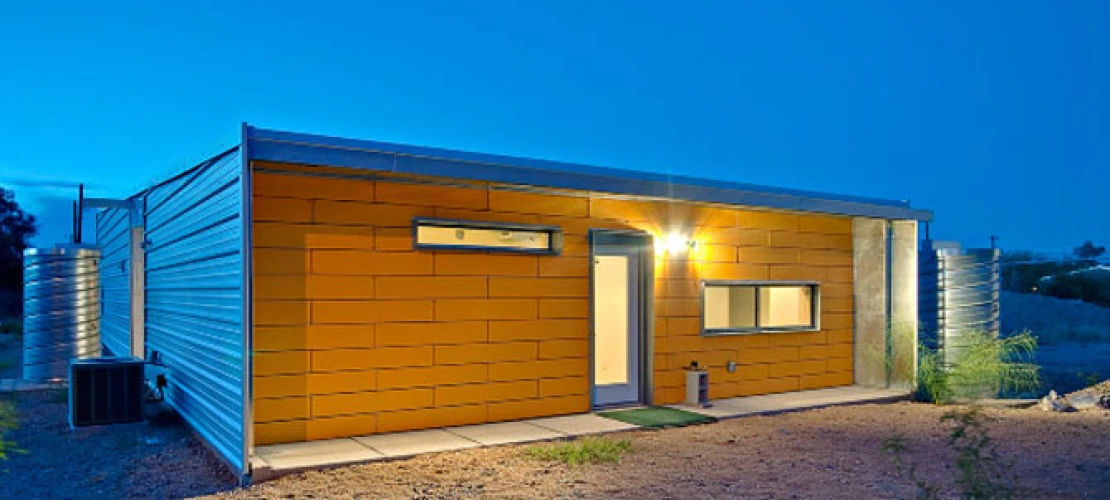
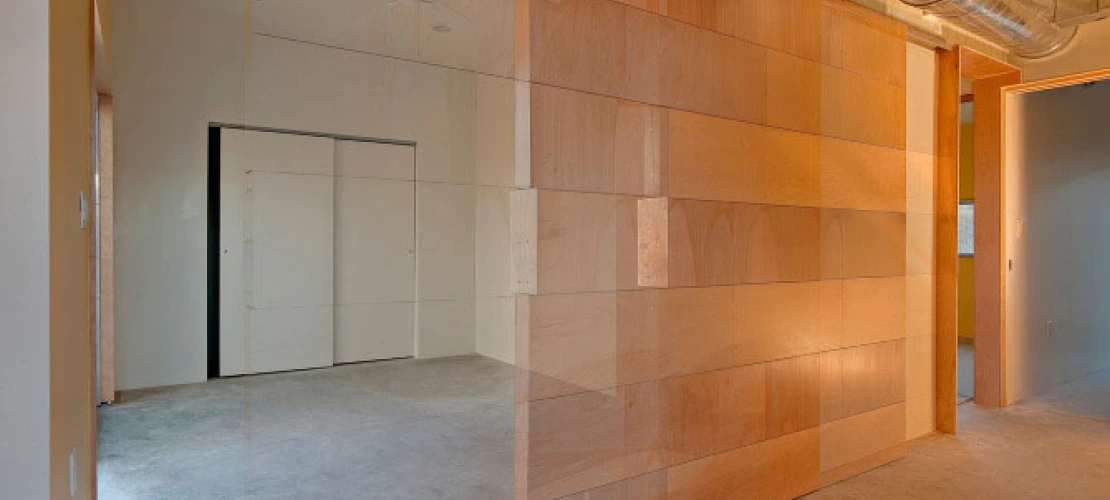
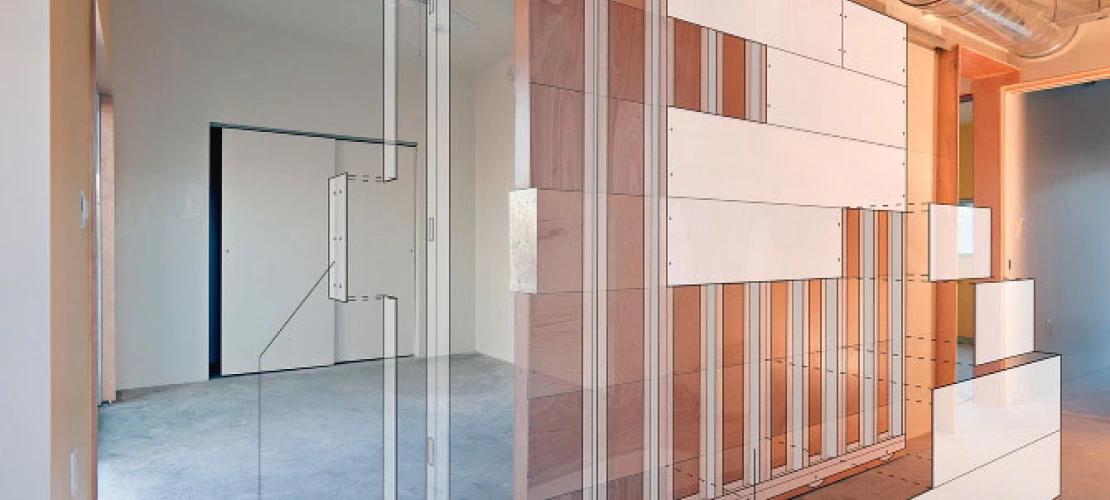
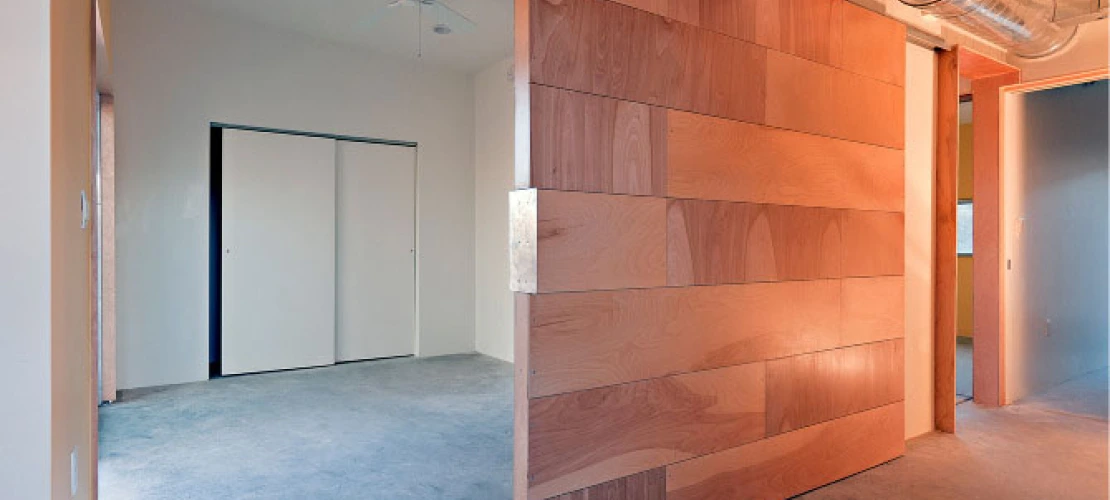
Part of the contract was to reduce energy use by 65% (from a Tucson average of 64,000 to 22,400 BTU/SF/year) and reduce water use by 54% (to 53 gallons/person/day for interior use and 28 gallons/day for exterior use) so the roof and the carport are sloped to two cisterns located on the site and drip irrigation and low-flow fixtures are utilized. The sliding plywood door at the “flex space” was completed on a budget of only $200, using new 1/4” plywood, salvaged framing materials from the site, and reclaimed roller blade and skateboard wheels. Door completed in collaboration with Sandra Gentsch and Billy Webster.


Subscribe to The Studio

Sign up for CAPLA's monthly e-newsletter to get the latest news and events, insights from faculty and leadership, profiles of students and alumni and more.

Subscribe Now

Latest CAPLA News, Projects and Profiles

Image
Group photo of four CAPLA students who are members of the ISAPD

CAPLA to host Indigenous Design Symposium focused on community, sustainability

CAPLA’s Indigenous Society of Architecture, Planning and Design (ISAPD) will host an all-day symposium on April 6, bringing together students, faculty and practitioners to explore Indigenous approaches to the built environment. Featuring Indigenous designers and supported by campus partners, the event will highlight community-centered design, sustainability and the role of Indigenous knowledge systems in shaping more responsible relationships with land.

Image
Six students and faculty work together to lift the frame of a wall for a house they are building in Agua Prieta

CAPLA students build housing in Agua Prieta during spring break

CAPLA students spent spring break in Agua Prieta, Sonora, building a home for a local family in partnership with Rancho Feliz. Working alongside community members, they gained hands-on construction experience while contributing to a reciprocal housing program designed to address affordability and climate-responsive design.

Image
Jackie Hogan Headshot

Research-Based Approach to Architecture: Jackie Hogan M.Arch + MS.Arch ‘25

Jackie Hogan (’25 M.Arch + MS.Arch) is a dual-degree graduate of CAPLA whose work bridges architectural practice and research-driven design. Drawn to architectural history, theory and ethics, she pursued the M.Arch + MS.Arch dual degree to explore how research can shape meaningful design decisions. During her time at CAPLA, she engaged in community-centered design through Laura Carr’s studio working with the Tuba City community and completed a thesis examining architecture’s role in disaster relief and climate-related emergencies. Now working at Line + Space, Hogan brings an evidence-based approach to projects, applying research to create thoughtful spaces that connect people, culture and the environment.