


CAPLA students share Indigenous perspectives in Archtober presentation
“ISAPD in Our Hands: Student Chapters Shaping the Future” explored how student chapters of the Indigenous Society of Architecture, Planning, and Design (ISAPD) can foster learning, cultural engagement, advocacy and professional growth within universities and their communities.

CAPLA Students Collaborate with Community Gardens of Tucson
Last spring, CAPLA students partnered with Community Gardens of Tucson to explore new possibilities for the Mary Meredith Community Garden. Led by Architecture Lecturer Chris Tucker, students in the BA.DAP program’s Spatial Design Studio developed design proposals for the garden’s school-side grounds, considering how the space could support children’s outdoor experiences and the surrounding ecosystem.
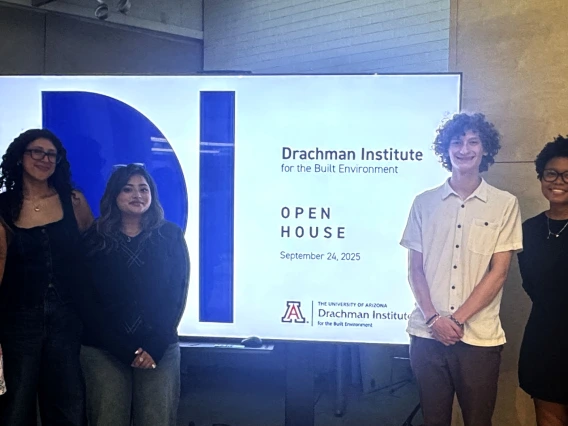
Drachman Institute Launches Community Engaged Scholars Program
CAPLA’s Drachman Institute launched the Drachman Community Engaged Scholars Program this fall, connecting students with faculty mentors to work on projects that directly serve local communities. Funded through Drachman sources, the program supports students with faculty-guided research and monthly workshops on community engagement.
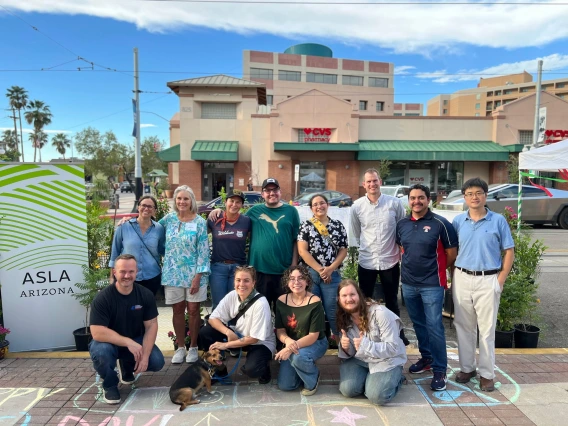
CAPLA Students take on Park(ing) Day 2025
CAPLA students brought creativity and design thinking to global Park(ing) Day on Sept. 19 at Main Gate Square, transforming a parking space into a vibrant public installation themed “Curb the Power: Micro Acts of Civil Joy.” Led by Master of Landscape Architecture student Esmeralda Carrasco, the project featured colorful ground painting, desert-adapted plants, and flexible seating to reimagine urban streets as safer, greener, and more welcoming spaces. Partnering with the City of Tucson and community organizations, students demonstrated how small-scale interventions can spark conversations about design, equity, and the future of Tucson’s streets.
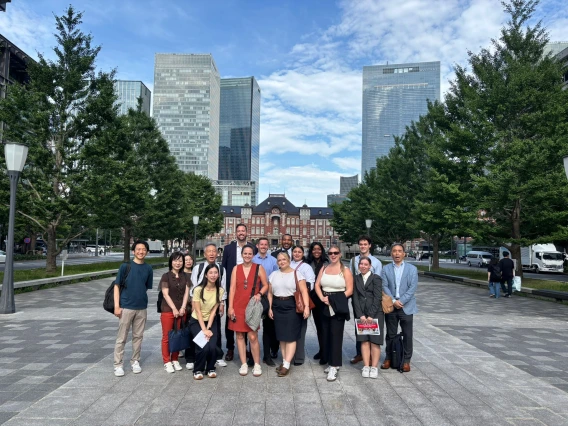
CAPLA Students Explore Smart Cities and Global Planning Innovation in Japan
Led by faculty member Brian Bidolli, the CAPLA Study Abroad program “Cities of the Future: Japan” combined classroom learning with site visits in Tokyo, Osaka, and Kyoto. Students explored smart cities and sustainable urban development through lectures, professional meetings, cultural excursions, and visits to cutting-edge institutions. The program offered an immersive experience that connected theory with practice while deepening students’ global perspective on planning and design.
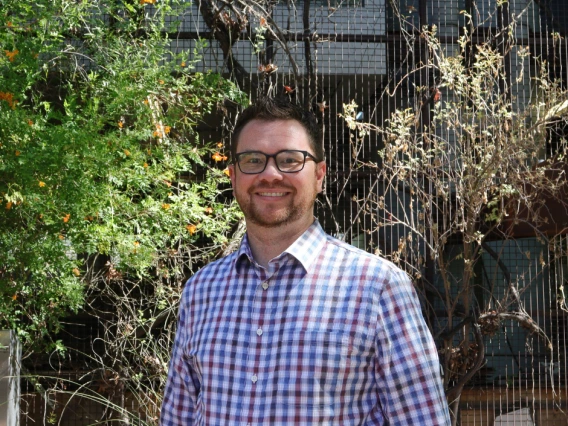
Building Meaningful Relationships: Matt Emory, Senior Undergraduate Academic Advisor
Inspired by the creativity and drive of CAPLA students, Matt Emory, senior undergraduate academic advisor, is passionate about building meaningful relationships and supporting students in reaching their goals.
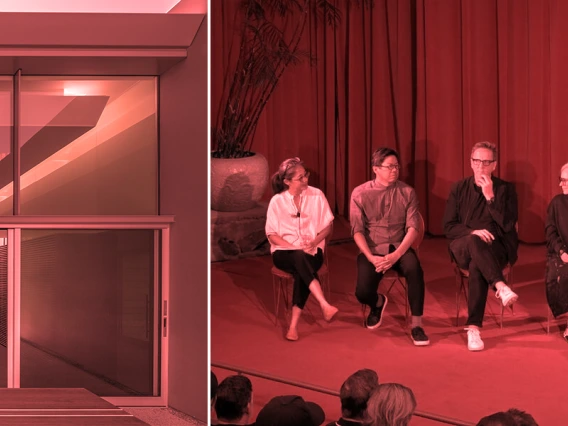
Michael Kothke Featured at ARCHITECT Magazine Forum
Michael Kothke, principal at HK ASSOCIATES and professor at CAPLA, was invited to speak at Reimagining Desert Modernism: The Architecture Shaping Arizona Today, a forum hosted by ARCHITECT Magazine and Marvin Windows at Taliesin West.

CAPLA announces 2025 Grassroots Seed Grant Awardees
The College of Architecture, Planning and Landscape Architecture has awarded the 2025 Grassroots Seed Grants to three faculty-led projects that advance innovative teaching, research, and creative activity.

Master of Landscape Architecture students lead sustainability research
CAPLA Master of Landscape Architecture students Ashley Danforth and Xavier Fernandez are leading a $45,000 grant-funded project to advance sustainable stormwater solutions on campus. Through research, collaboration, and community outreach, their work will create a campus-wide database of green stormwater infrastructure to help address challenges like drought and extreme heat.
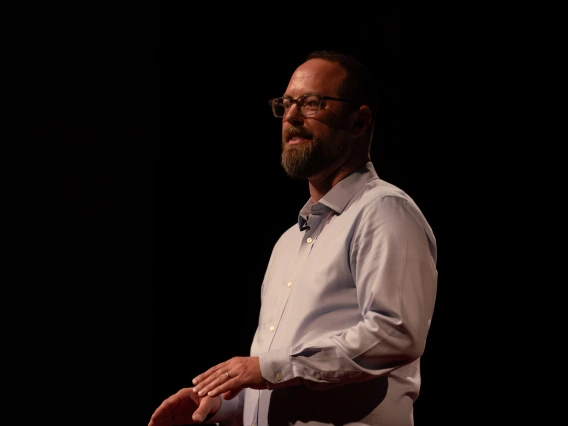
Ladd Keith appointed to Governor Hobbs' Workplace Heat Safety Task Force
Ladd Keith, director of the University of Arizona’s Heat Resilience Initiative and a leading national expert on heat planning, has been appointed to Governor Katie Hobbs’ new Workplace Heat Safety Task Force. In this role, he will help develop science-based, equitable guidelines to protect Arizona’s workers from the growing risks of extreme heat.

Drachman Institute holds Net Zero Urban Water Workshop in Los Angeles
CAPLA’s Drachman Institute brought together experts from across the Southwest for a two-day workshop focused on advancing Net Zero Urban Water—an approach where cities meet water needs through sustainable, local sources without harming long-term supplies or ecosystems.