


Mission Garden, Food, Culture, History | Lecture by Alyce Sadongei and Efren Martinez
This presentation explores the Tucson Mission Garden's history and the agricultural traditions of the many cultures that have farmed this land over time, and introduces the garden’s newer plots. Sadongei and Martinez discuss the challenges of growing food as Tucson’s seasons become hotter and drier, offering lessons that connect history, culture, and the future of sustainable food systems in the desert Southwest.

CAPLA students share Indigenous perspectives in Archtober presentation
“ISAPD in Our Hands: Student Chapters Shaping the Future” explored how student chapters of the Indigenous Society of Architecture, Planning, and Design (ISAPD) can foster learning, cultural engagement, advocacy and professional growth within universities and their communities.

Inspired by Family: Derec Custer, BLA ‘27 & MRED ‘27
Meet Derec Custer! The Tucson local is working towards two exciting degrees: Bachelor of Landscape Architecture and Master of Real Estate Development. Hear about his transformative experience here at CAPLA!

Why some Western gateway towns boom while others fade: University of Arizona study sorts them into 8 types
Philip Stoker and his research team identify eight types of gateway communities based on tourism appeal, accessibility and growth limits, helping local leaders better guide development and shape their communities’ futures.

Finding a Sense of Place: Javi Barcelo’s City Immersion Scholarship Journey to Mexico City
For Javi Barcelo, B.Arch ’27, architecture is deeply connected to place, culture and community. His City Immersion Scholarship gave him the opportunity to explore those connections firsthand in Mexico City, an experience that ultimately helped shape the direction of his capstone project.

Philip Stoker Leads Effort to Modernize Lake Tahoe’s Sustainable Recreation Plan
For decades, the Lake Tahoe Basin has worked to balance preserving the region’s renowned natural beauty and recreational opportunities with accommodating the millions of visitors and growing communities drawn to the area. A team of researchers from the University of Arizona, University of Utah and Vancouver Island University is taking on that challenge through a two-year, $350,000 project to modernize Lake Tahoe’s sustainable recreation goals.

A Love Letter to the U of A: Laura Vertes, B.Arch '03 Designs the Wildcat Welcome Center
For many, the journey to becoming a Wildcat begins before they ever set foot in a classroom. It might start with a campus tour, a conversation with a student ambassador or a glimpse of Old Main. The Wildcat Welcome Center opened on Wednesday, Sept. 9, and has officially become a cornerstone of that experience.

Meet CAPLA’s Paul D. Coverdell Fellow: Yamilkal Hernandez Sanchez
Yamilkal Hernandez Sanchez is a first-year MSUP student speaking on his Peace Corps experience.
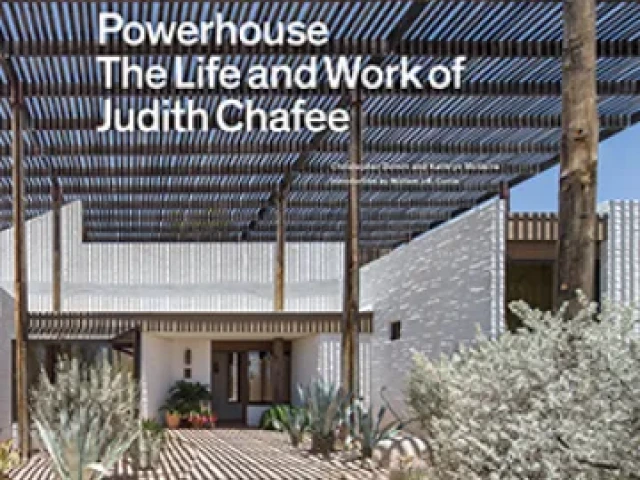
Powerhouse: The Engaged Regionalism of Judith Chafee’s Architecture
Powerhouse: The Engaged Regionalism of Judith Chafee’s Architecture explores the visionary work of architect Judith Chafee and her approach to integrating art, architecture, culture and environmental stewardship in the Southwest.

Bringing a Fresh Perspective to CAPLA: Yining Lei, Assistant Professor of Real Estate Development and Urban Planning
Lei is a new faculty member in the School of Landscape Architecture and Planning, who brings with her a fascinating research background with clear real-world implications.

New Perspective: M.Arch Student Hunter Bentley Interns at Bensonwood
For Hunter Bentley, M.Arch ‘28, a four-day field trip to Boston in February 2026 turned into the starting point for a summer internship that would reshape how he thinks about architecture.