

Research shaping Tucson's housing future

As Tucson works to address its housing shortage, research from the University of Arizona's Drachman Institute is helping policymakers evaluate zoning, land use and building regulations that can support more housing options across the city.
Adobe Stock Photos
When Tucson Mayor Regina Romero declared a Housing State of Emergency earlier this year, it marked a turning point in the city’s response to one of its most pressing challenges. The declaration acknowledged the growing need for affordable housing while opening the door for changes to land use and building policies that could accelerate new housing opportunities.
Behind many of those conversations is years of research conducted by Assistant Research Professor Bill Mackey, M.Arch '94, and the University of Arizona’s Drachman Institute.
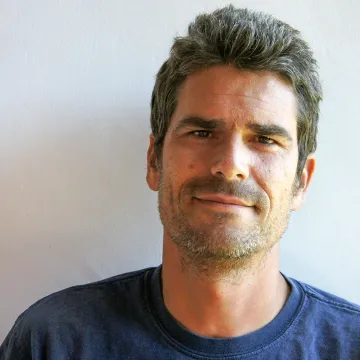
As both an architect and researcher, Mackey has spent years studying how regulations shape the way people live. Rather than focusing solely on the buildings themselves, his work examines the policies, zoning regulations and development standards that determine what kinds of housing communities can build.
“I am currently investigating the relationship between regulatory processes and housing with the Drachman Institute,” Mackey said. “I have always been interested in how housing is ‘managed’ by culture (social, economic, political) and how various forms of housing navigate those systems.”
Working alongside city planners, elected officials, nonprofit organizations and community partners, Mackey and the Drachman Institute have examined regulations that influence housing production throughout the city. Their work has helped identify barriers that make housing more difficult or expensive to build while providing research-based options for policymakers considering changes to local codes.
One of the clearest conclusions from Mackey’s research is that Tucson’s housing challenges cannot be attributed to a single cause.
“Money,” Mackey said. “Policy and regulation play a role, but the cost to develop, the cost of construction, the cost of land and the cost of maintaining property play much larger factors.”
Recognizing those challenges, the Drachman Institute began exploring practical ways the city could reduce unnecessary barriers without compromising thoughtful planning.
The research has already helped shape several significant policy changes. Mackey and his colleagues contributed to updates that reduced parking requirements for housing developments with up to five units, making smaller housing projects more feasible while allowing developers greater flexibility in site design. The team also worked with the City of Tucson as Arizona adopted legislation requiring larger cities to allow middle housing development. Their research evaluated how duplexes, triplexes and fourplexes could fit within Tucson’s existing neighborhoods and what regulatory changes would be needed to support those housing types.
Another area of study focused on emergency housing and micro-shelter developments. As homelessness and housing affordability became increasingly urgent concerns, the team’s research examined how existing land use regulations affected emergency shelter projects and identified opportunities for reform. Mackey believes that work helped inform the city’s decision to declare a Housing State of Emergency.
“This is a great first step,” Mackey said. “This is needed to not only provide housing in a quick manner for those who need it the most, but it also allows the City of Tucson to reevaluate their existing land use code and building code in relation to emergency housing.”
City officials say Mackey’s research has become an important resource.
“Bill brings a valuable dual perspective, both an unbiased researcher from the U of A Drachman Institute and an experienced professional architect working in Southern Arizona, that helps city staff understand how our policies actually play out in the development community and in Tucson’s housing landscape,” Amanda Smith, Lead Planner with City of Tucson Planning and Development Services, said. “His work has validated many of our policy decisions while also uncovering blind spots and constraints we can work to improve.”
That collaboration has extended beyond policy analysis into real-world planning decisions. According to city officials, Mackey’s research helped demonstrate that middle housing can work on many of Tucson’s existing residential lots, even when accounting for practical development challenges such as vehicle access and utility placement. Those findings provided valuable information as the city evaluated zoning code amendments designed to expand housing choices.
For Mackey, watching research move from university studies into city policy has been especially meaningful.
“As an independent artist, I used to produce exhibits about land use in empty storefronts in downtown Tucson, hoping to stir the public’s imagination and start conversations about land use and regulation,” he said.
Although his work now reaches city leaders rather than gallery visitors, Mackey says the goal remains the same: encouraging people to think differently about how communities use land and create housing opportunities. He also believes universities have a unique responsibility to help communities navigate complex issues by providing objective, evidence-based research.
“I think we offer as much of an unbiased approach to the problem as possible,” Mackey said. “At Drachman, we like to say we provide options, not recommendations.”
The collaborative nature of the work is one of the reasons Mackey continues to focus on housing research.
“Working with people—city staff, city officials, non-profit organizations, other university researchers, people in other communities working on the same thing, developers, neighborhood representatives and the students that work on the projects with us,” Mackey said when asked what has been the most rewarding part of addressing housing issues in Tucson.
Mackey and the Drachman Institute are currently developing a public engagement exhibit focused on shelter care regulations as the City of Tucson considers changes to its land use and building codes. The exhibit is designed to help residents better understand the proposed changes while creating opportunities for meaningful public feedback.
“Bill has already made a real impact on Tucson’s housing future,” Smith said. “He and his team at the Drachman Institute have directly helped shape city housing policy, and that data-driven, collaborative approach is exactly what will help us navigate the housing challenges ahead.”


