Meet CAPLA’s Paul D. Coverdell Fellow: Yamilkal Hernandez Sanchez

Meet CAPLA’s Paul D. Coverdell Fellow: Yamilkal Hernandez Sanchez!
Paul D. Coverdell Fellows are returned Peace Corps volunteers who receive financial assistance to pursue graduate degrees at universities across the country. In exchange, fellows complete internships in underserved American communities, applying the skills they learned abroad.
CAPLA has five Coverdell Fellows as of fall 2026:
- Yamilkal Hernandez Sanchez - 1st Year MSUP
- Lyndsey Shafiei - 1st Year M.Arch
- Tori Markle - 1st Year MLA
- Nick Ihley - 1st Year MLA
- Michael Geiger - 2nd Year MLA
We asked them about how this experience has shaped them, and how it led them from all corners of the globe to CAPLA.
What inspired you to join the Coverdell Fellows program?
Coverdell Fellows felt like a natural continuation of my Peace Corps service. One of the things I valued most about the Peace Corps was working alongside communities to support goals that they had identified for themselves. Coverdell offered me the opportunity to continue that commitment to service while developing the technical knowledge and planning skills I hope to use throughout my career. It allows me to stay connected to community-based work while pursuing my studies.

Where did you do your Peace Corps work? And why?
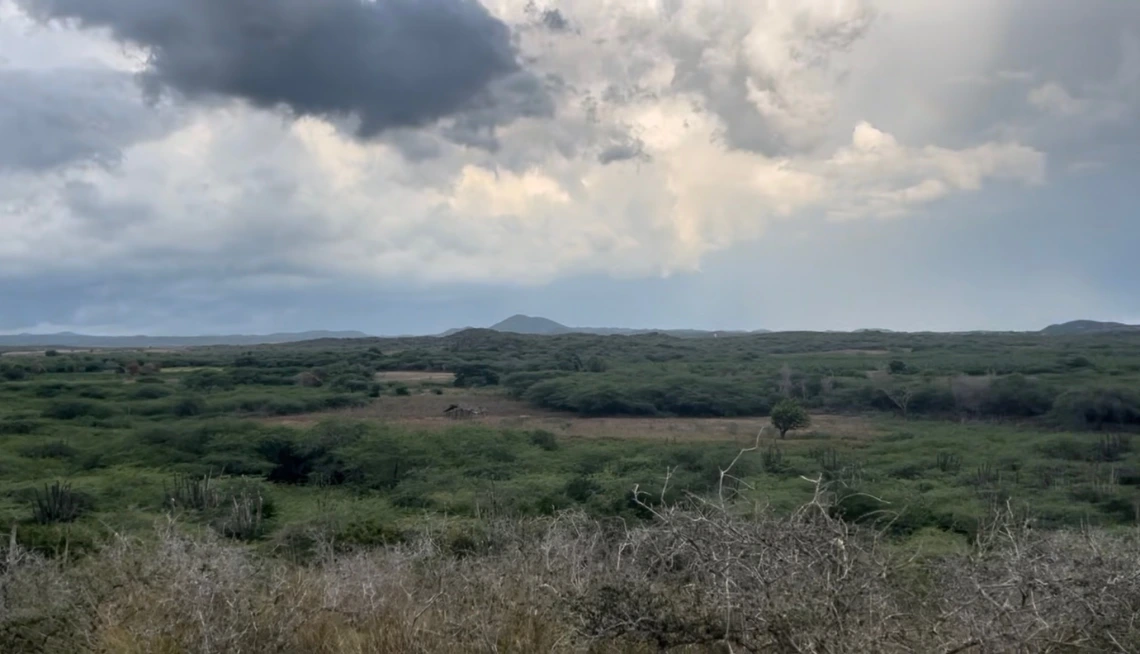
I served as a Spanish Literacy Promoter in the Dominican Republic. I wanted to serve here because my family is deeply rooted in the Caribbean, with most of my family living in Yabucoa, Puerto Rico. I worked in a small rural community in Monte Cristi. I was drawn to the education sector because I believe literacy creates opportunities that extend far beyond the classroom. My work focused on supporting early-grade teachers with literacy instruction, organizing community activities and helping strengthen educational resources within the school.
What did you find most valuable about your experience?
The most valuable lesson the Peace Corps taught me was that good leadership begins with listening. Whether I was working with teachers, organizing transportation improvements in my community or serving as an administrative lead for the Peace Corps Peer Support Network, I learned that lasting solutions come from understanding what communities want and helping move those ideas forward rather than imposing your own. That perspective has fundamentally shaped how I approach public service and leadership.
Why did you choose CAPLA to pursue a graduate degree?
CAPLA stood out because of its emphasis on interdisciplinary, community-centered planning and its commitment to addressing real-world challenges like climate resilience, transportation and equitable development. My interests in environmental planning and urban transportation align closely with the work being done by CAPLA faculty and a lot of the research centers here in Tucson. I wanted to study in a program where planning is viewed not only as designing places, but as building stronger relationships between people, communities and the environments they inhabit.

What do you hope to accomplish after earning your graduate degree?
My long-term goal is to work in international development, specializing in Latin America and the Caribbean. I hope to help communities develop transportation systems, public spaces and environmental policies that are both equitable and resilient. Ultimately, I want to contribute to planning efforts that improve quality of life while respecting the unique culture, history and priorities of our many communities in our world.
How has your Peace Corps experience influenced your graduate studies and career goals?
Peace Corps reaffirmed that community engagement should be at the center of planning. Living and working in the Dominican taught me that the best projects are built through collaboration, trust and local knowledge. Those experiences further sparked my interest in urban planning by showing me how transportation, education, environmental stewardship and public policy all intersect in people’s everyday lives. As I begin graduate school, I hope to continue building the skills necessary to become a planner who helps communities shape their own futures rather than simply planning for them.