


Michael Grassinger named CAPLA 2027 Alumnus of the Year
CAPLA is proud to announce Michael Grassinger MSUP '78 as its Alumnus of the Year. Grassinger will be recognized during CAPLA's Homecoming Garden Party on Friday, October 23 and at a university-wide celebration in March 2027.

Architecture with an Historical Emphasis: Angela Person, Professor of Architecture
Join us in welcoming Angela Person to CAPLA! In addition to her role as Professor of Architecture at CAPLA, she is also the new Executive Director of Museums & Community Engagement in the University of Arizona’s Office of Research & Partnerships.

Philip Stoker Leads Effort to Modernize Lake Tahoe’s Sustainable Recreation Plan
For decades, the Lake Tahoe Basin has worked to balance preserving the region’s renowned natural beauty and recreational opportunities with accommodating the millions of visitors and growing communities drawn to the area. A team of researchers from the University of Arizona, University of Utah and Vancouver Island University is taking on that challenge through a two-year, $350,000 project to modernize Lake Tahoe’s sustainable recreation goals.

A Love Letter to the U of A: Laura Vertes, B.Arch '03 Designs the Wildcat Welcome Center
For many, the journey to becoming a Wildcat begins before they ever set foot in a classroom. It might start with a campus tour, a conversation with a student ambassador or a glimpse of Old Main. The Wildcat Welcome Center opened on Wednesday, Sept. 9, and has officially become a cornerstone of that experience.

Finding a Sense of Place: Javi Barcelo’s City Immersion Scholarship Journey to Mexico City
For Javi Barcelo, B.Arch ’27, architecture is deeply connected to place, culture and community. His City Immersion Scholarship gave him the opportunity to explore those connections firsthand in Mexico City, an experience that ultimately helped shape the direction of his capstone project.
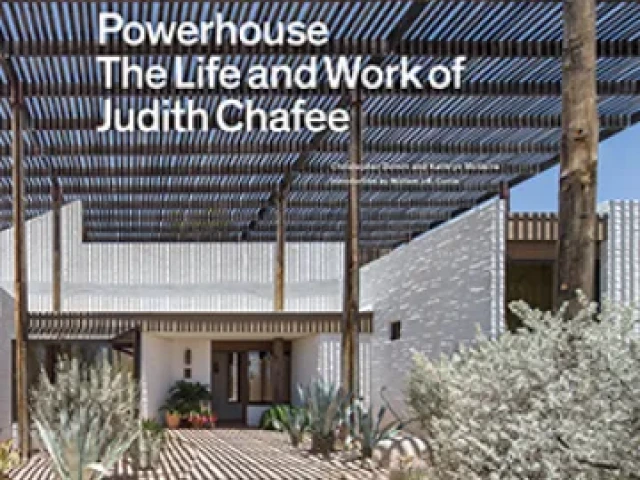
Powerhouse: The Engaged Regionalism of Judith Chafee’s Architecture
Powerhouse: The Engaged Regionalism of Judith Chafee’s Architecture explores the visionary work of architect Judith Chafee and her approach to integrating art, architecture, culture and environmental stewardship in the Southwest.

Welcome, New CAPLA Faculty!
We’re excited to welcome several new faculty members to CAPLA this academic year, bringing fresh perspectives, expertise and energy to our community. Join us in welcoming these talented educators and scholars as they contribute to our teaching, research and the future of the built environment.

CAPLA Landscape Architecture programs earn LAAB-Accreditation milestone
CAPLA’s Bachelor of Landscape Architecture program has earned initial accreditation, while its Master of Landscape Architecture program received reaccreditation from the Landscape Architectural Accreditation Board. The milestone recognizes the strength of CAPLA’s place-based, interdisciplinary education, outstanding faculty, innovative curriculum and commitment to preparing future landscape architects to address complex environmental and community challenges.

Rachel Hink’s BWS Architects Internship Brings Design to CanStruction
Fifth-year B.Arch student Rachel Hink gained hands-on experience in architecture and community engagement through her summer internship with BWS Architects. From contributing to site plans and project meetings to participating in CanStruction, a community outreach event benefiting the Community Food Bank of Southern Arizona, the experience gave Hink valuable insight into how architecture can serve and strengthen communities.
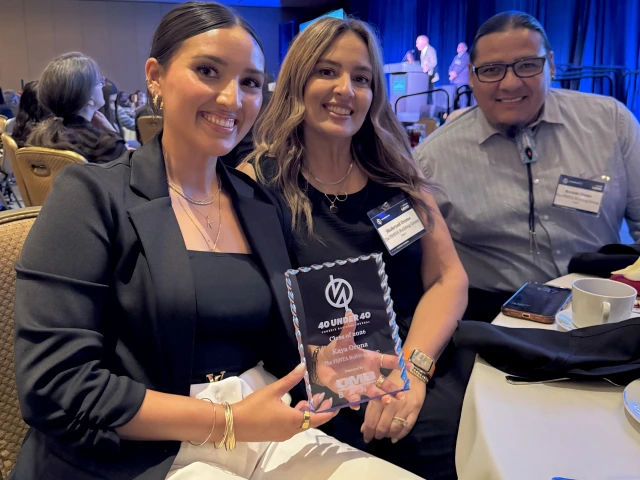
Alumna Kaya Orona named 2026 Phoenix Business Journal 40 Under 40 Honoree
CAPLA alumna Kaya Orona, B.Arch ’23, has been named one of the Phoenix Business Journal’s 2026 40 Under 40 honorees, recognizing her accomplishments in the construction industry. Now a preconstruction manager at The PENTA Building Group, Orona has built on her architectural education to lead projects at the intersection of design, construction and development.

CAPLA lecturer Nataliya Apanovich honored with Gerald J. Swanson Prize for Teaching Excellence
Nataliya Apanovich, a CAPLA lecturer, won the Gerald J. Swanson Prize for Teaching Excellence. She’s known for innovative, student-centered, community-focused sustainability education.

Research shaping Tucson's housing future
As Tucson works to address its housing shortage, research from the University of Arizona's Drachman Institute is helping guide key policy decisions. Assistant Research Professor Bill Mackey's work on zoning, land use and housing regulations is providing city leaders with research-based options to increase housing opportunities across the city.